
Before and after.
Unretouched clinical photography. Drag any image to reveal the change. The ink visible in some of the before frames is the hairline being designed by hand, before a single graft is placed.
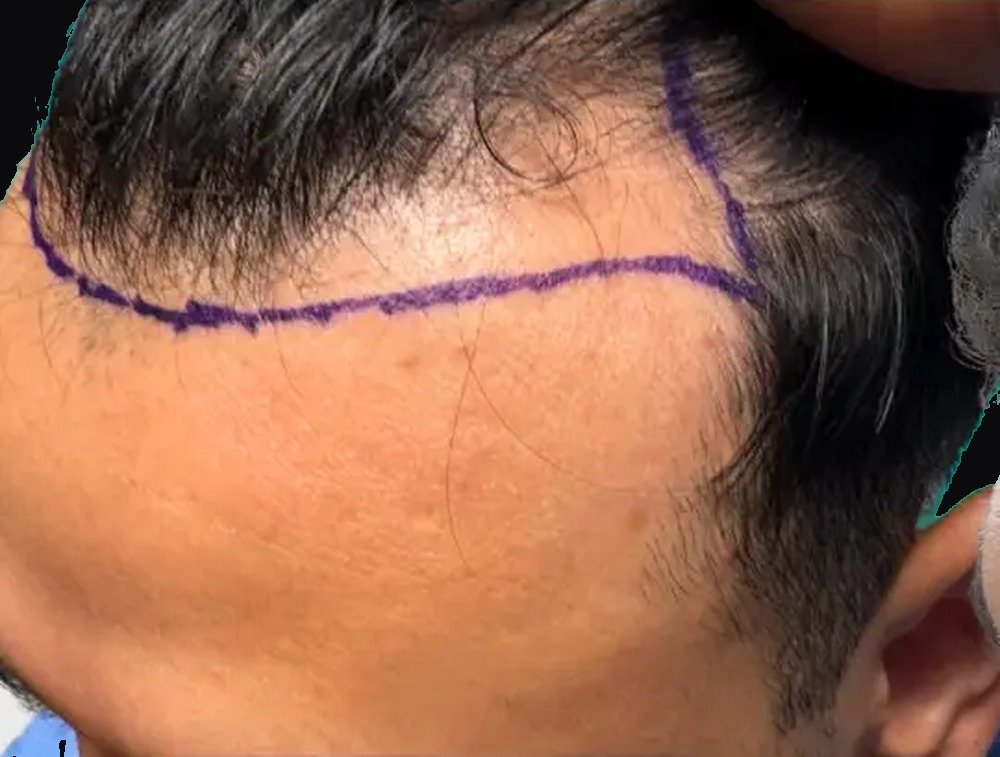
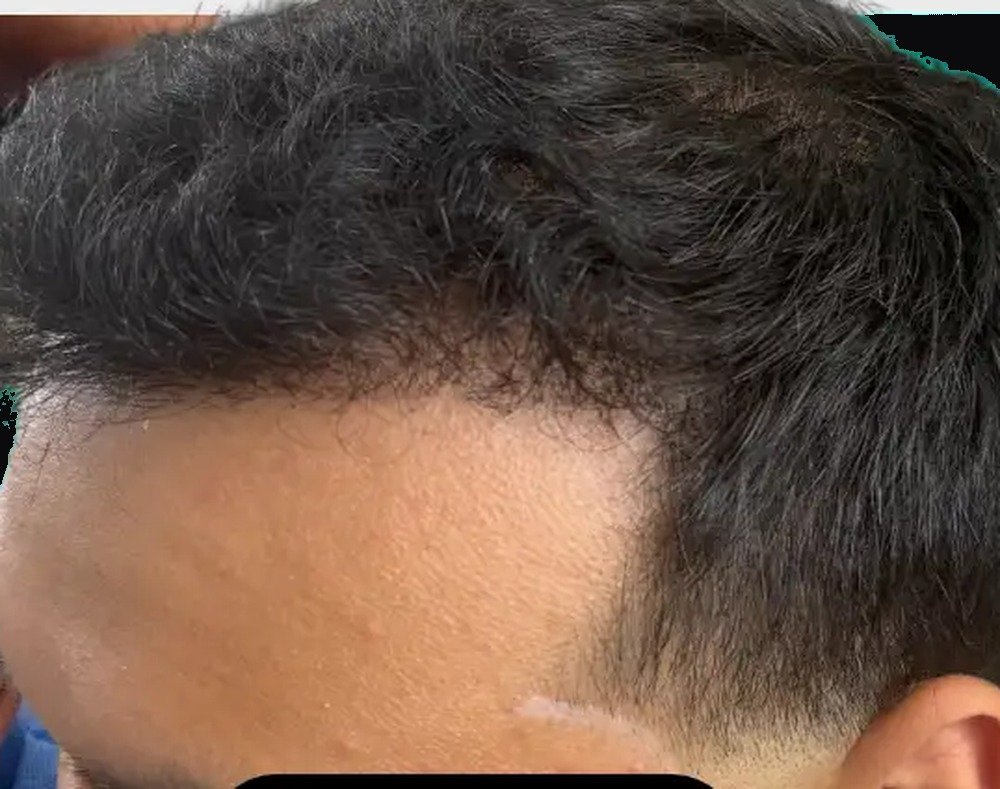 BeforeAfter
Patient 01
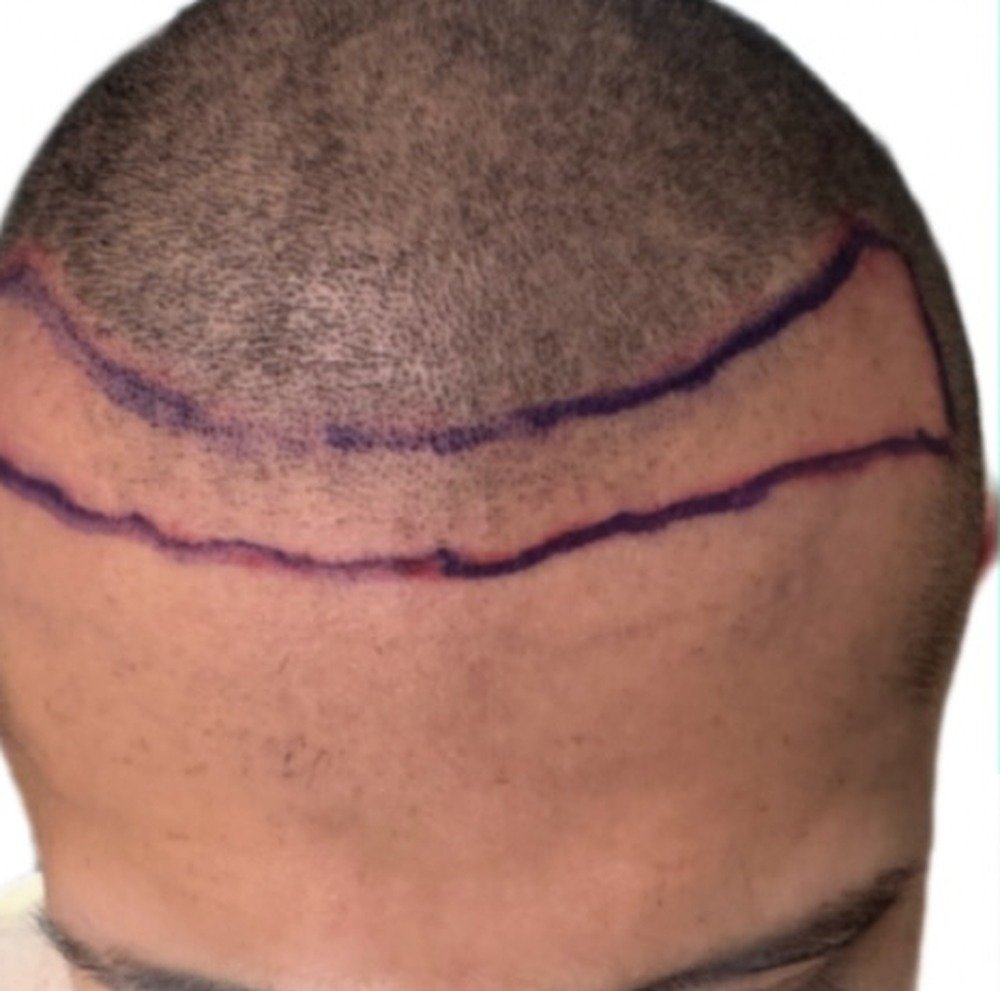
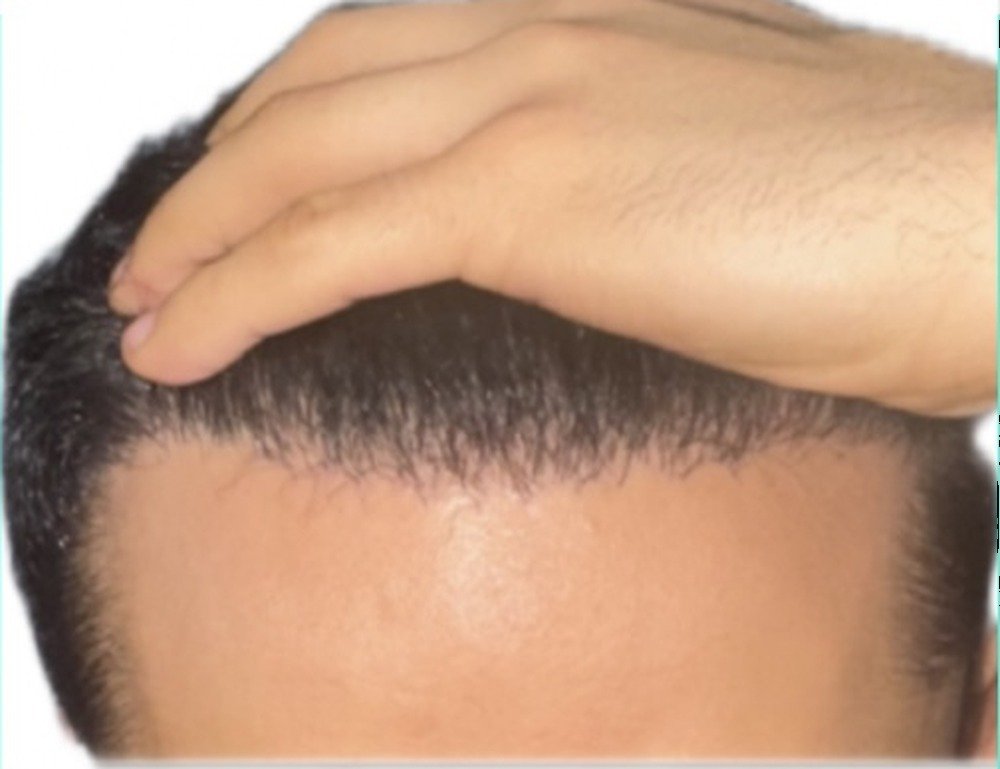 BeforeAfter
Patient 02
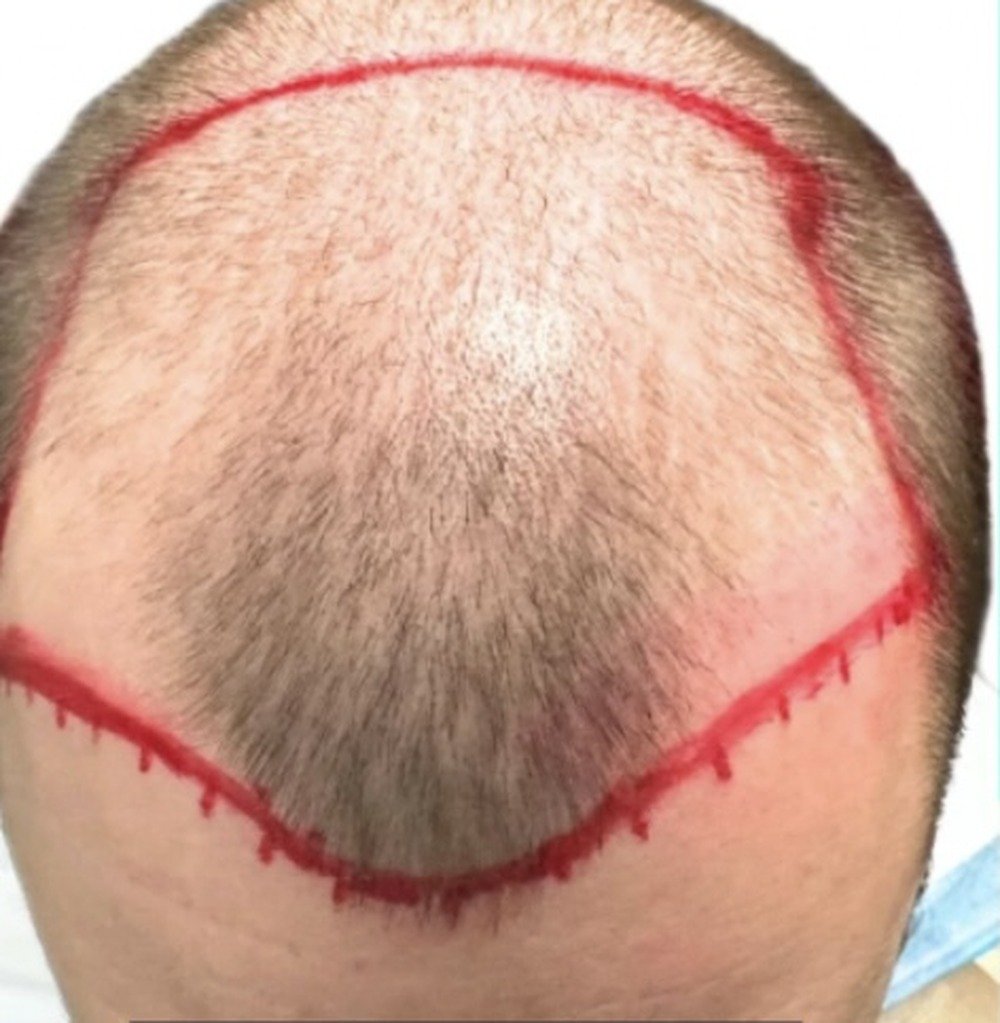
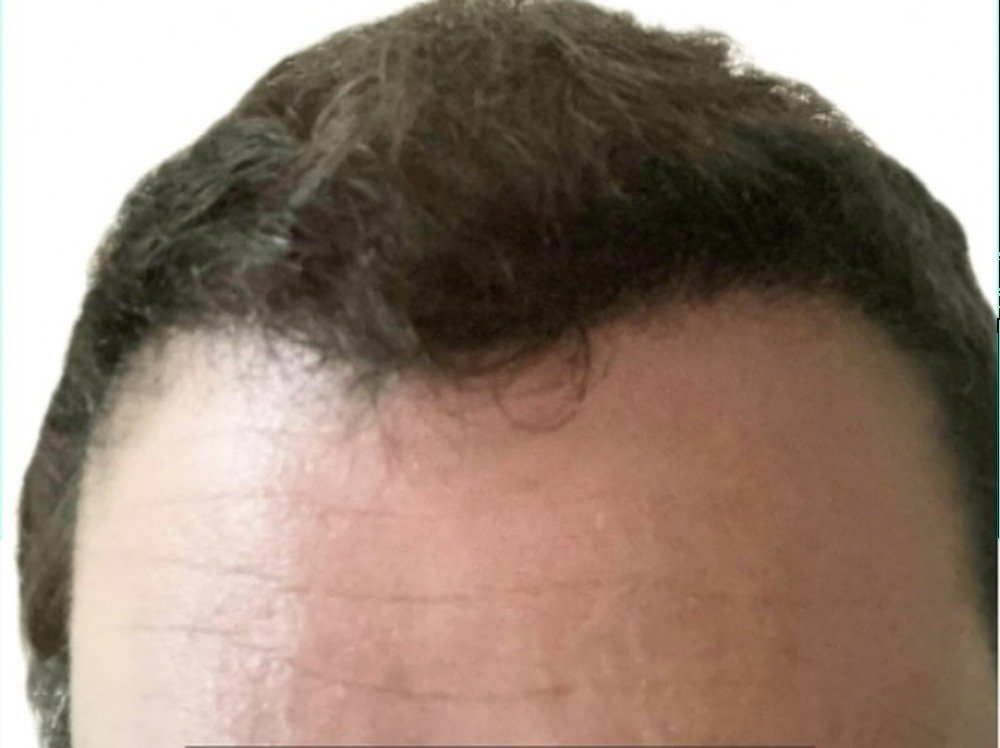 BeforeAfter
Patient 03
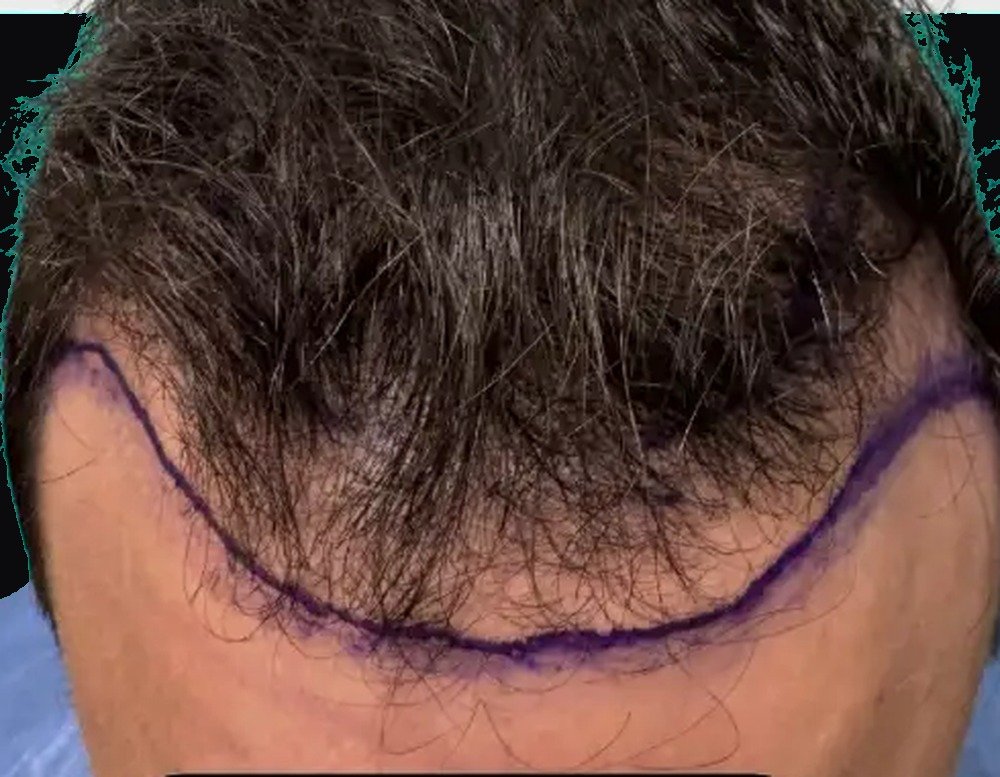
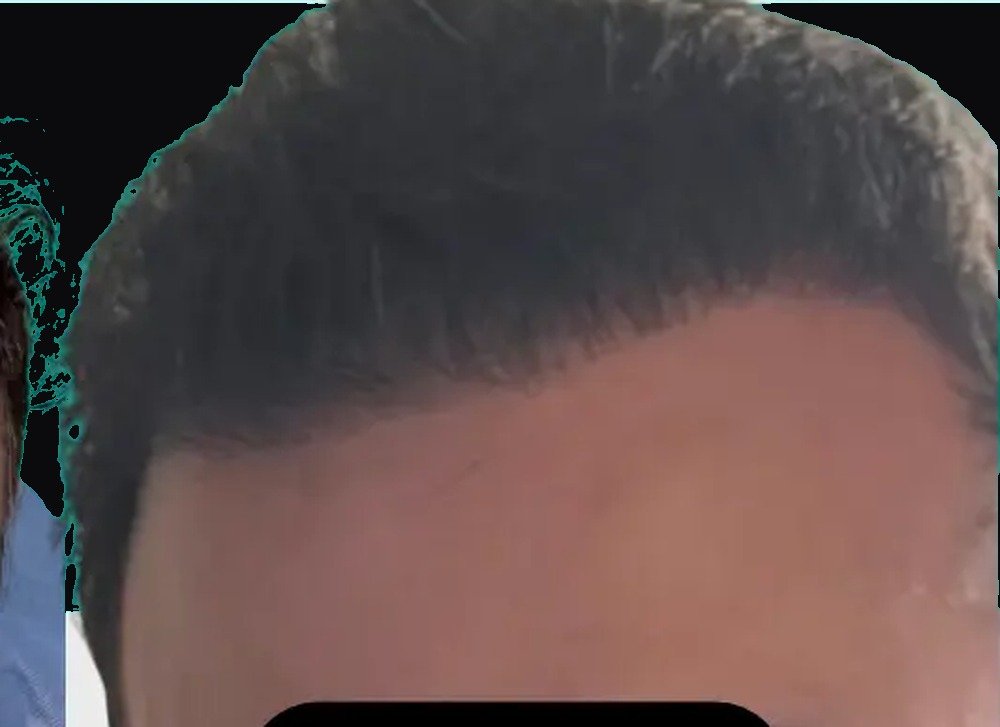 BeforeAfter
Patient 04
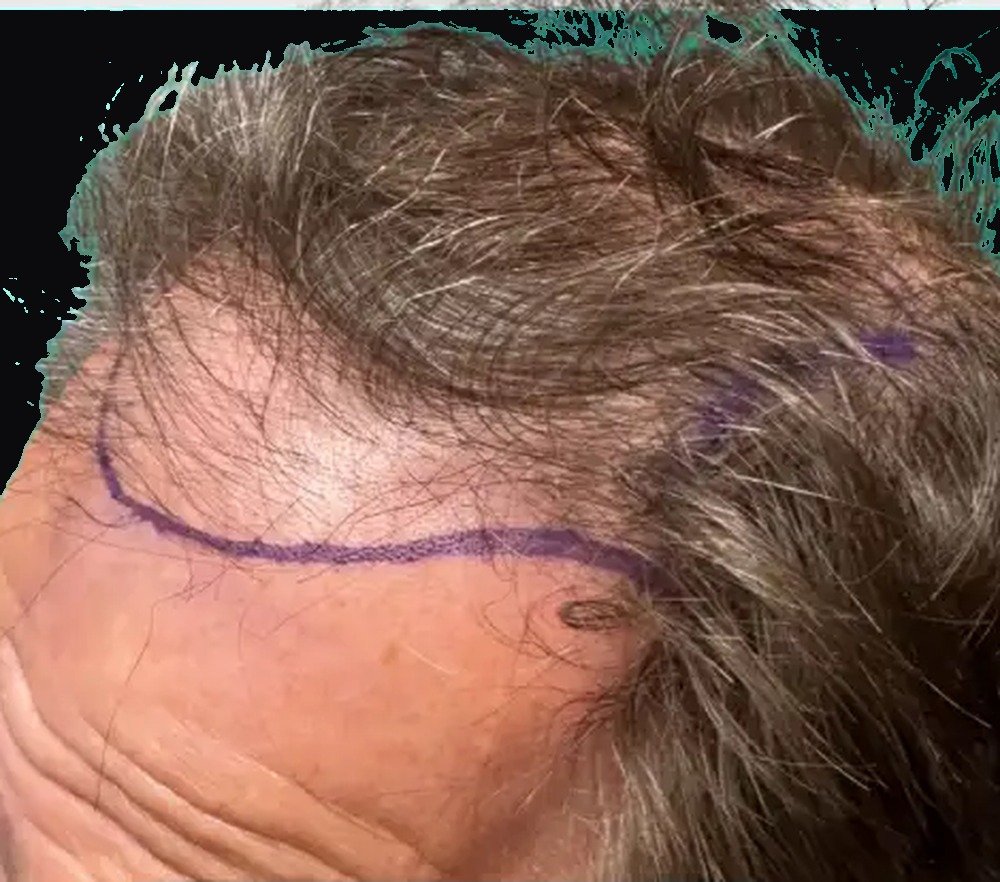
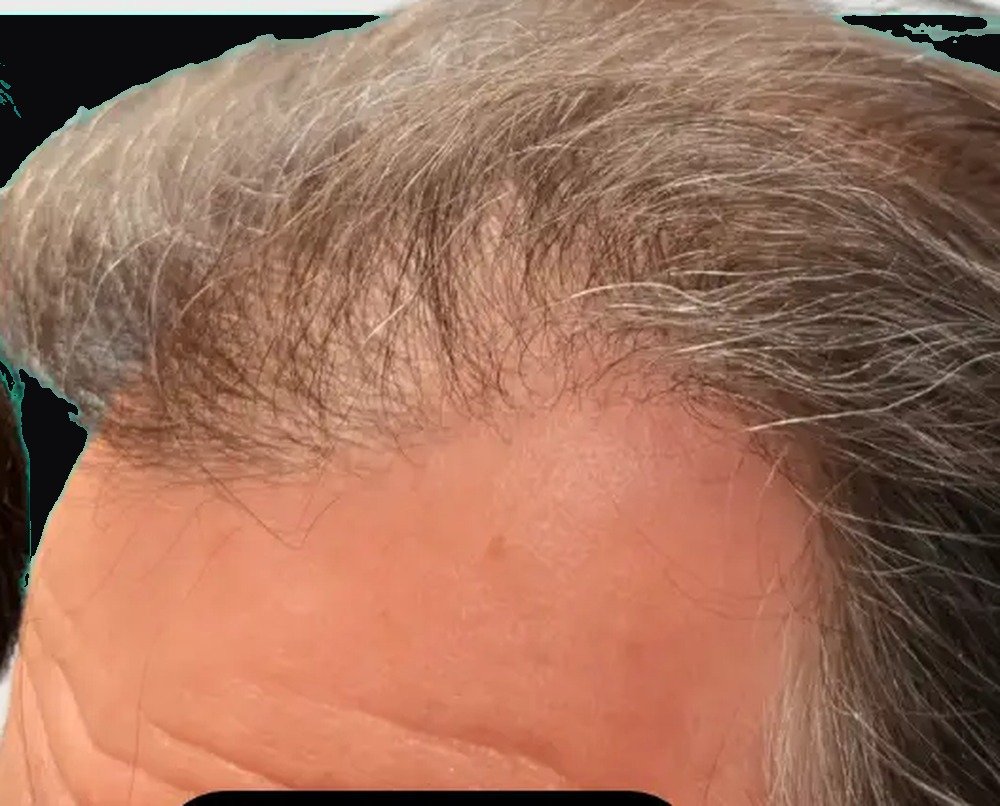 BeforeAfter
Patient 05
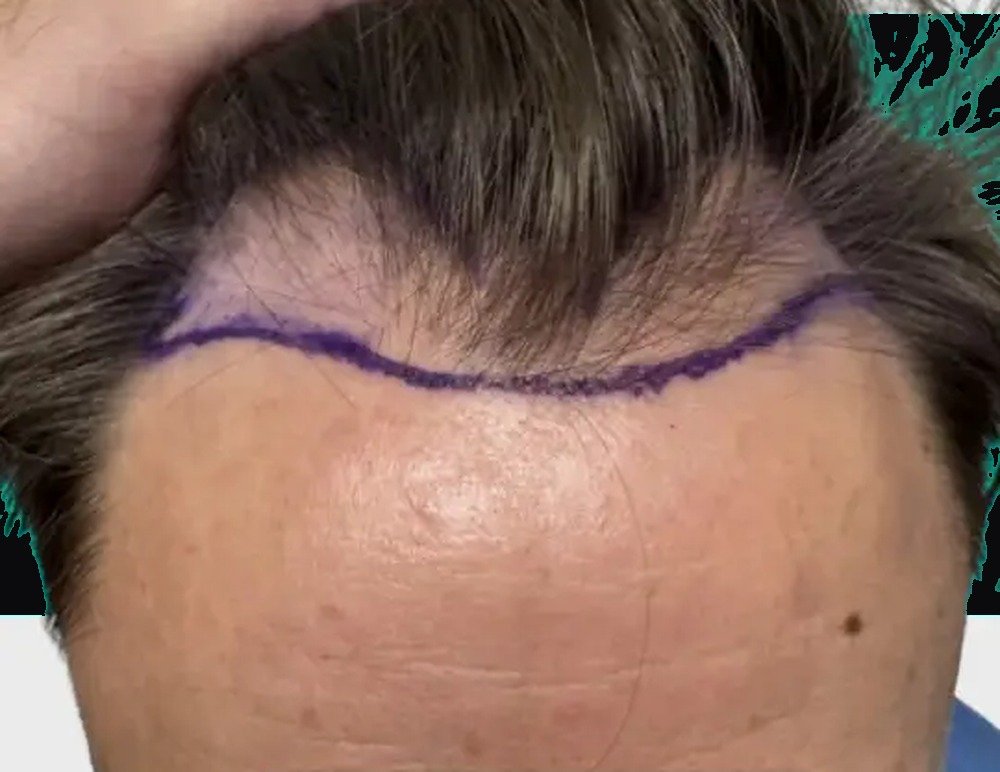
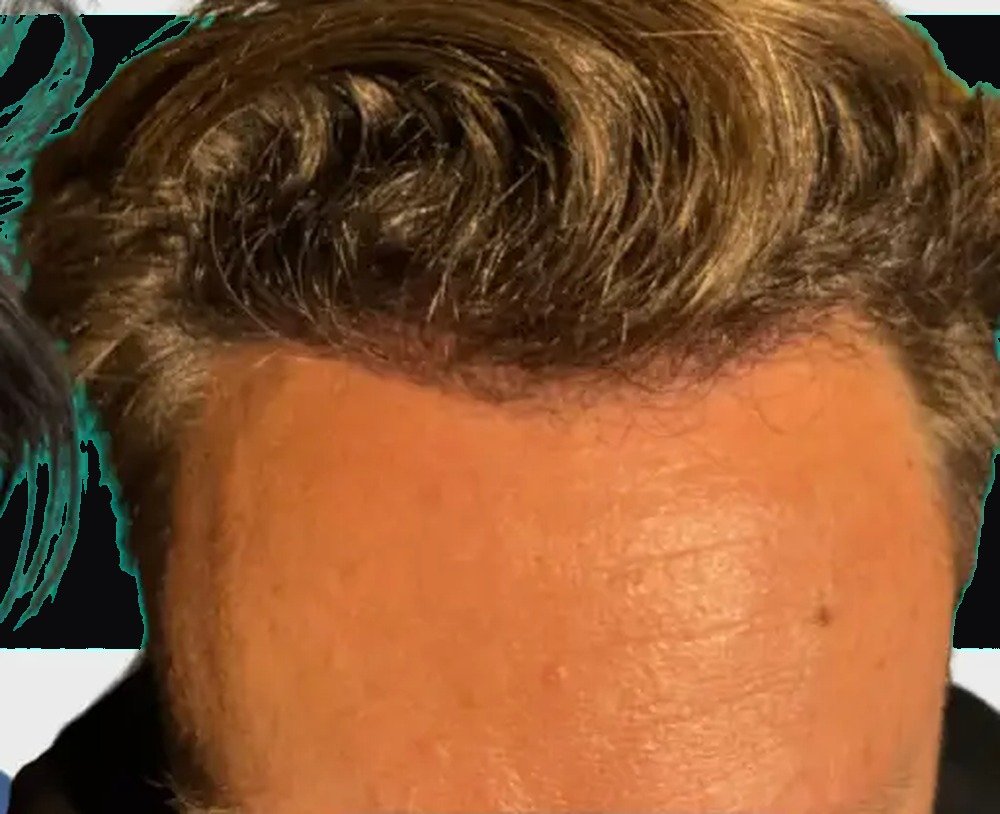 BeforeAfter
Patient 06
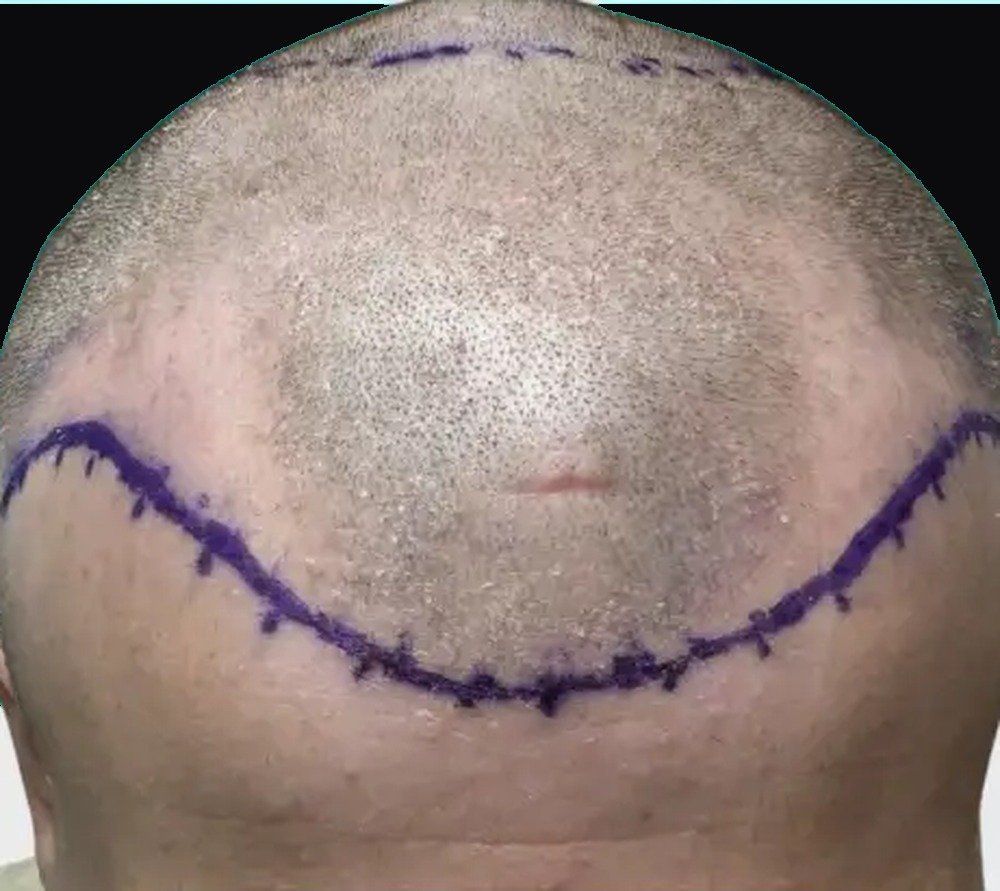
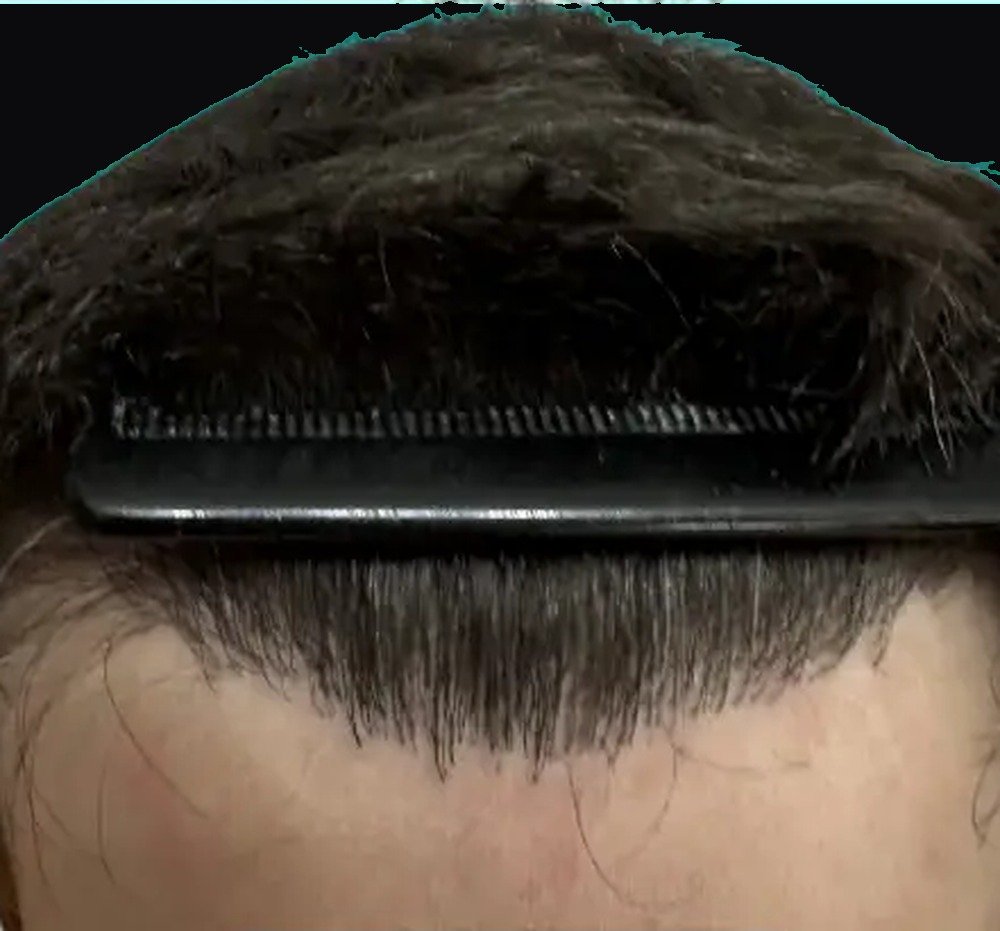 BeforeAfter
Patient 07
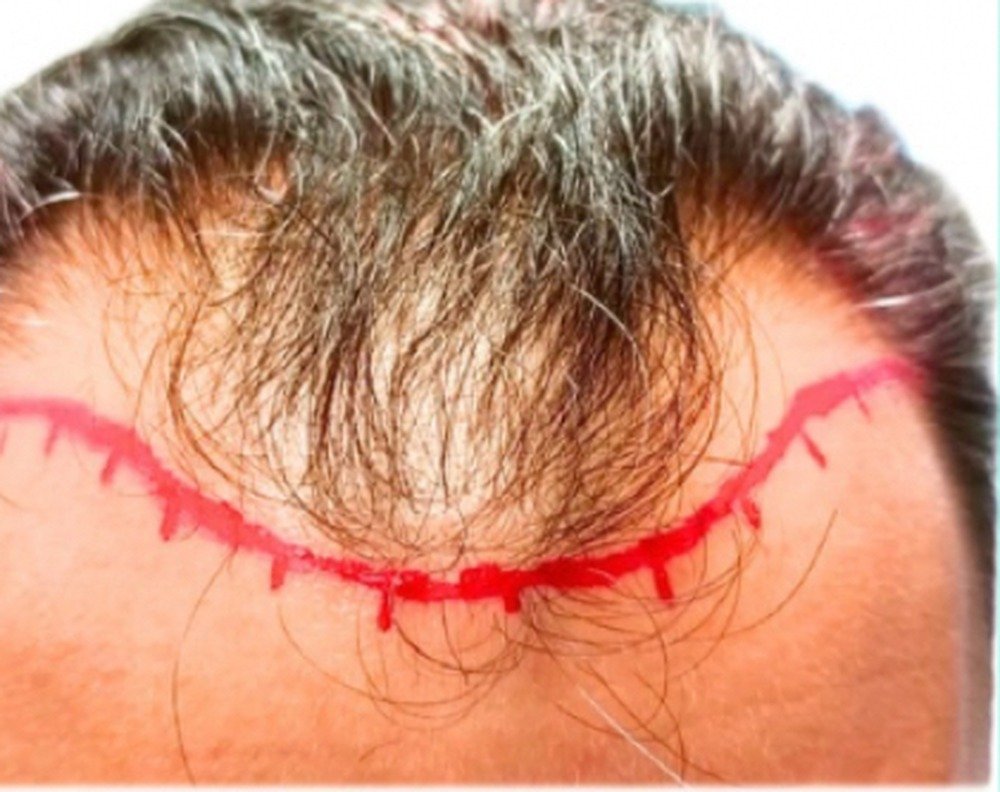
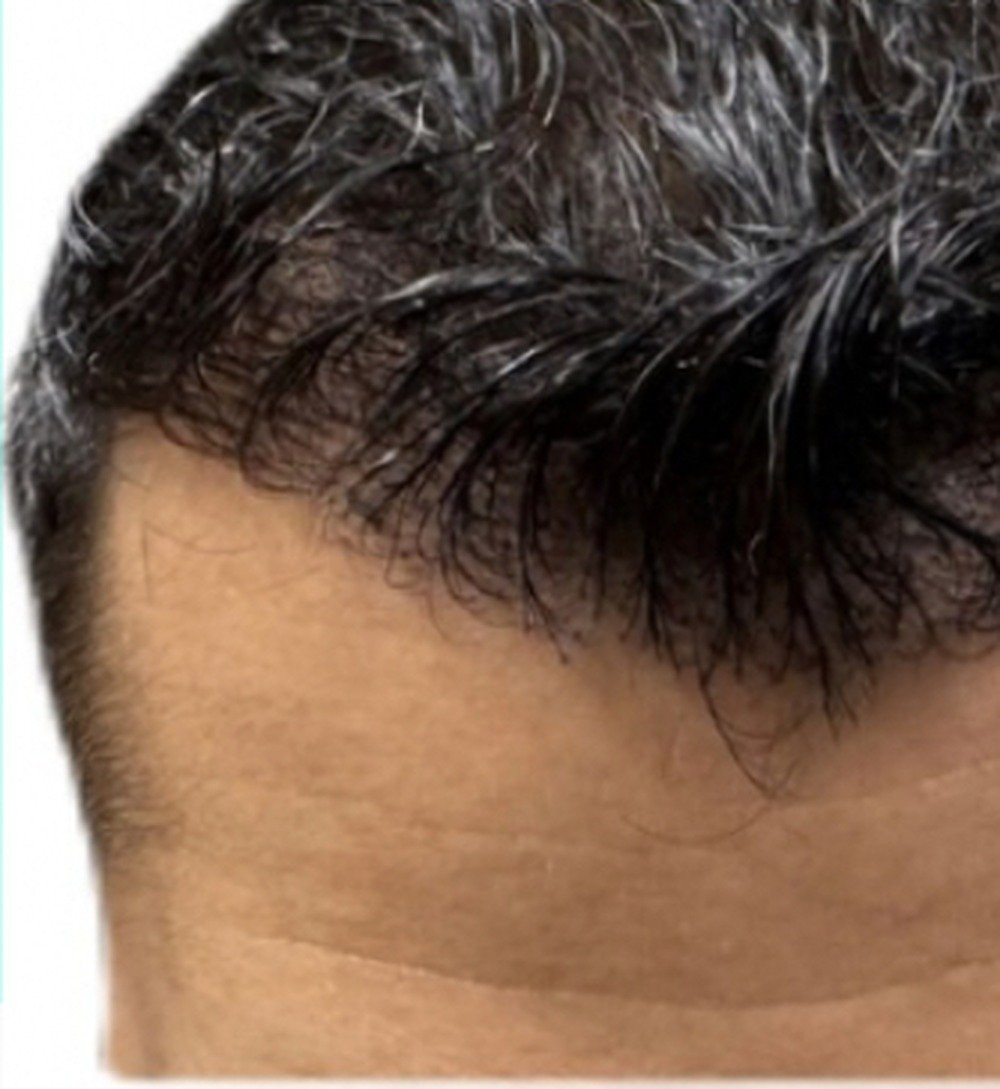 BeforeAfter
Patient 08
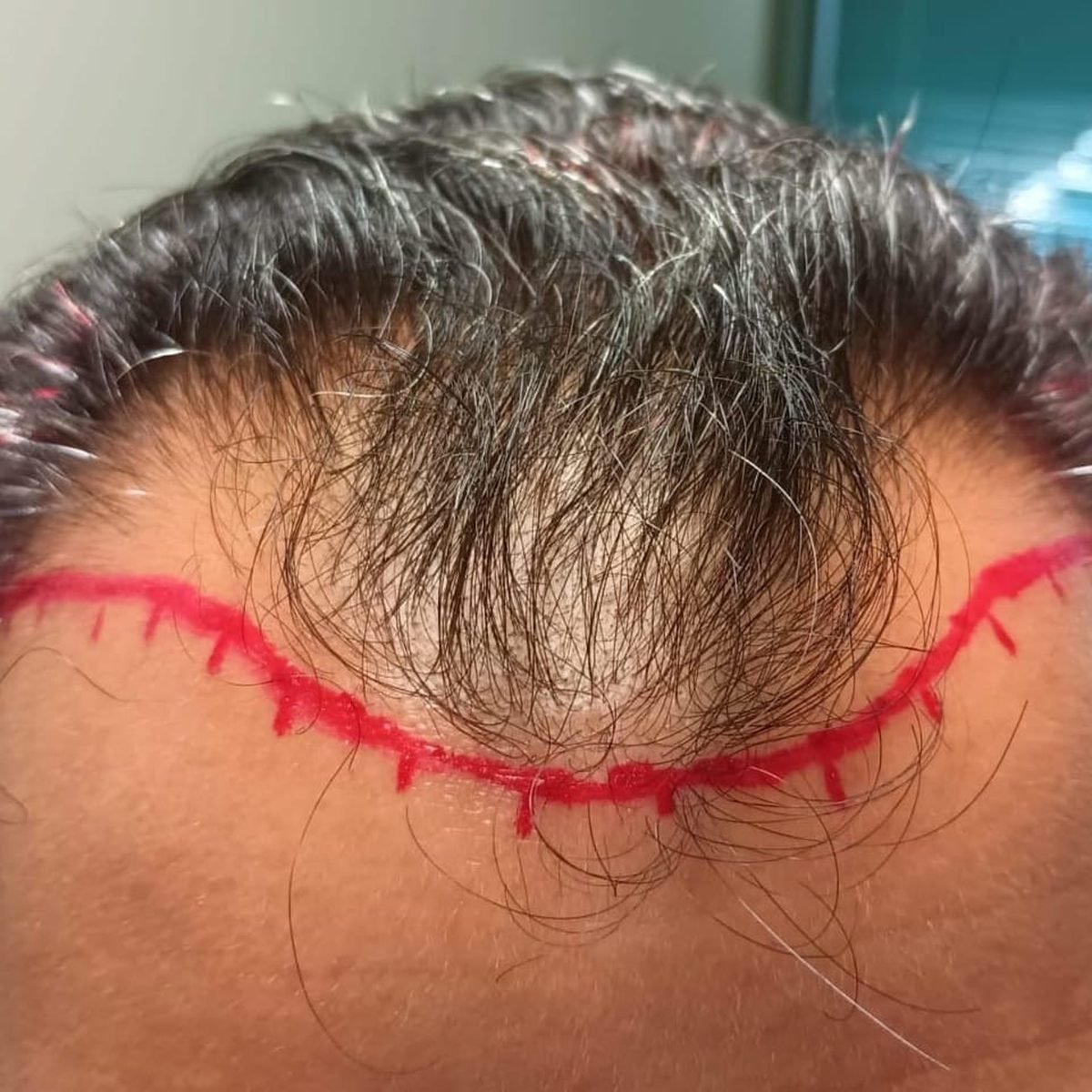
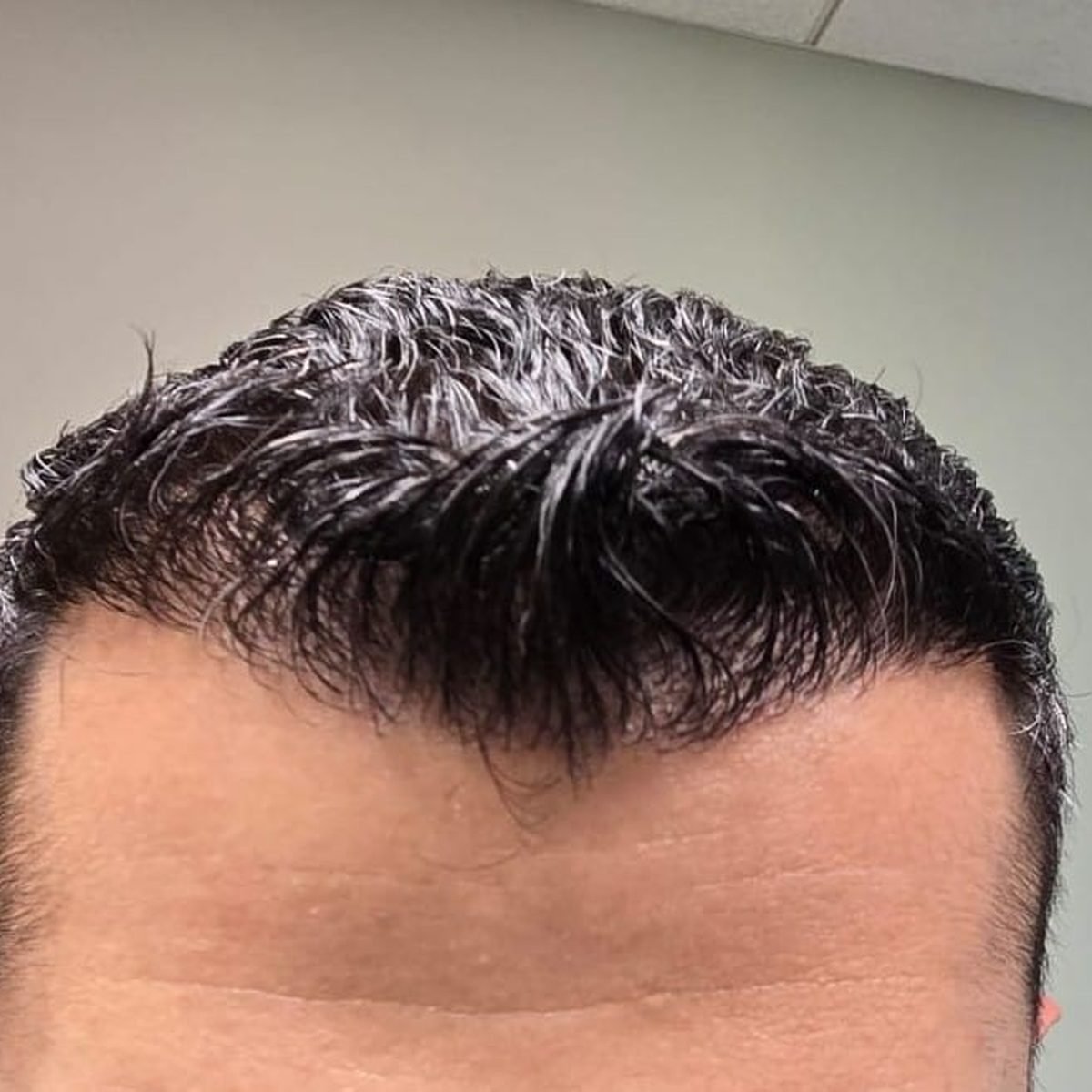 BeforeAfter
Patient 09 — Follow-up interval not recorded
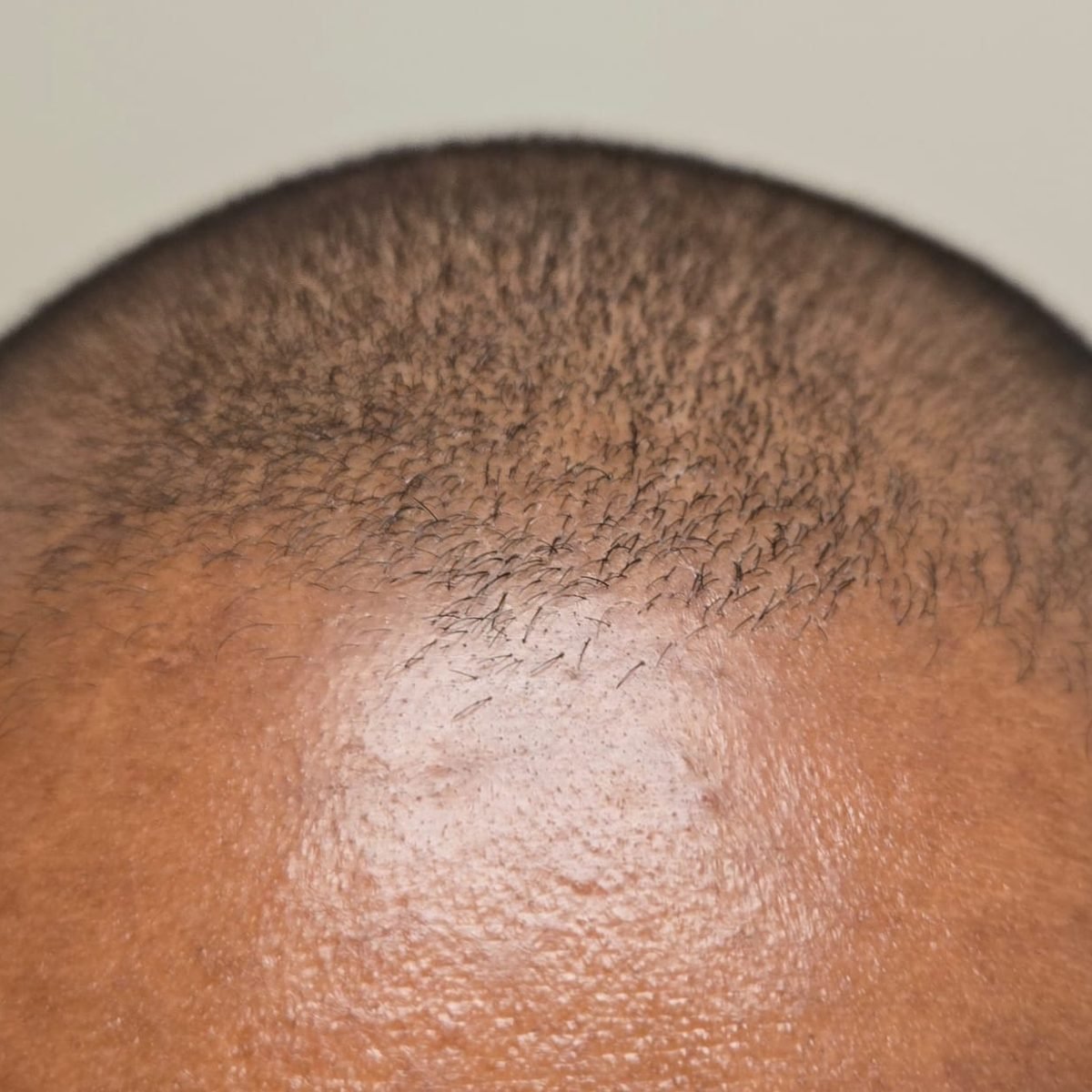
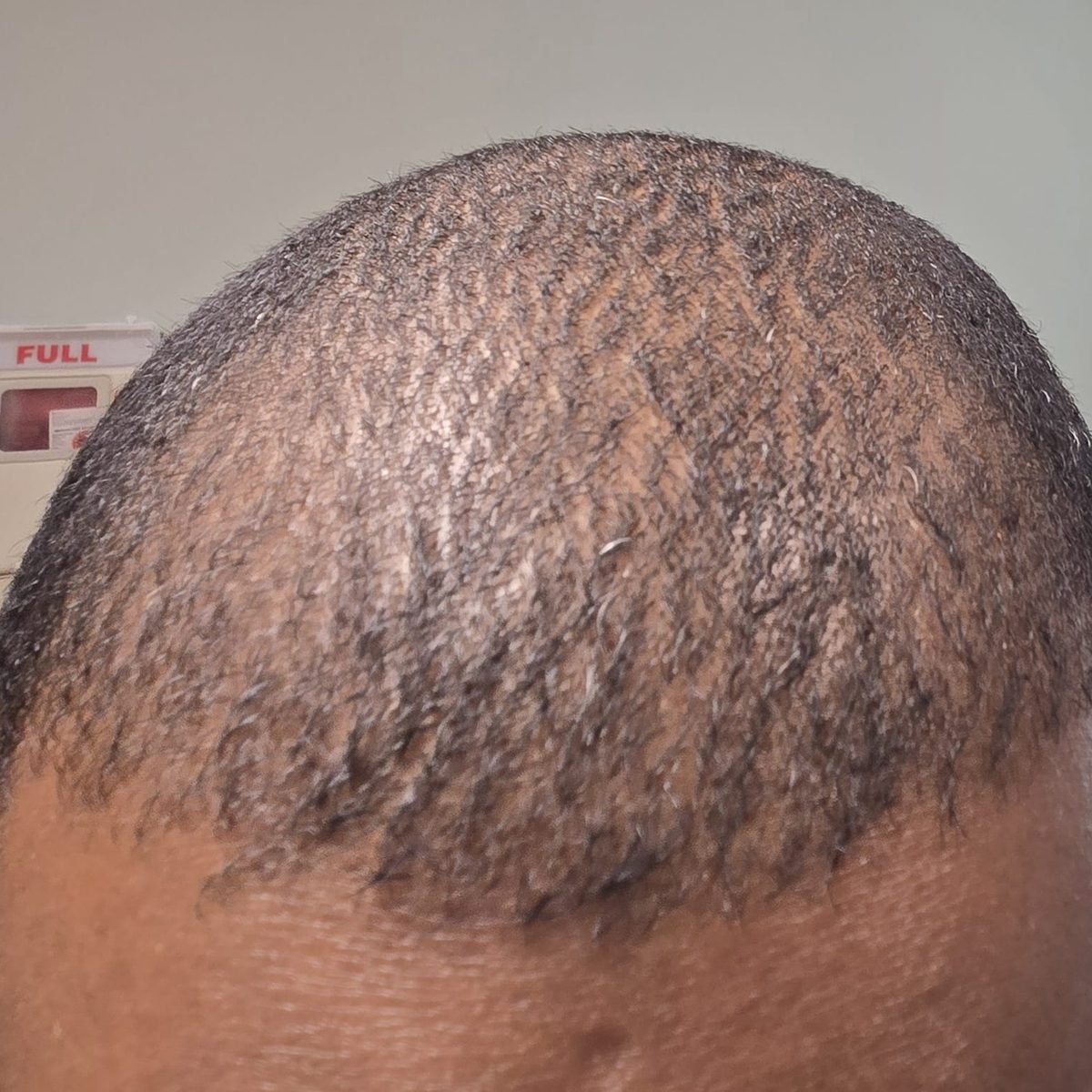 BeforeAfter
Patient 10 — 1 year after
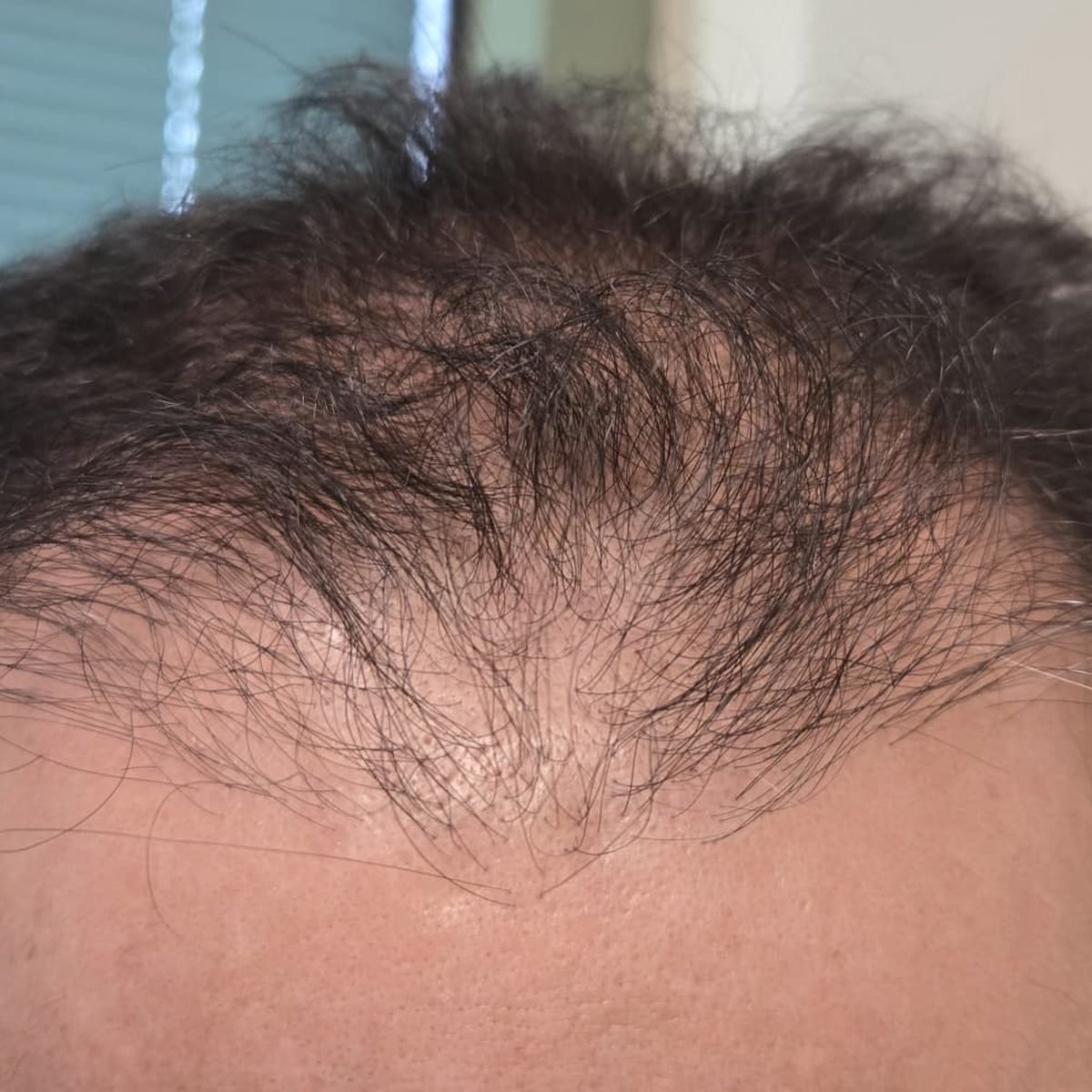
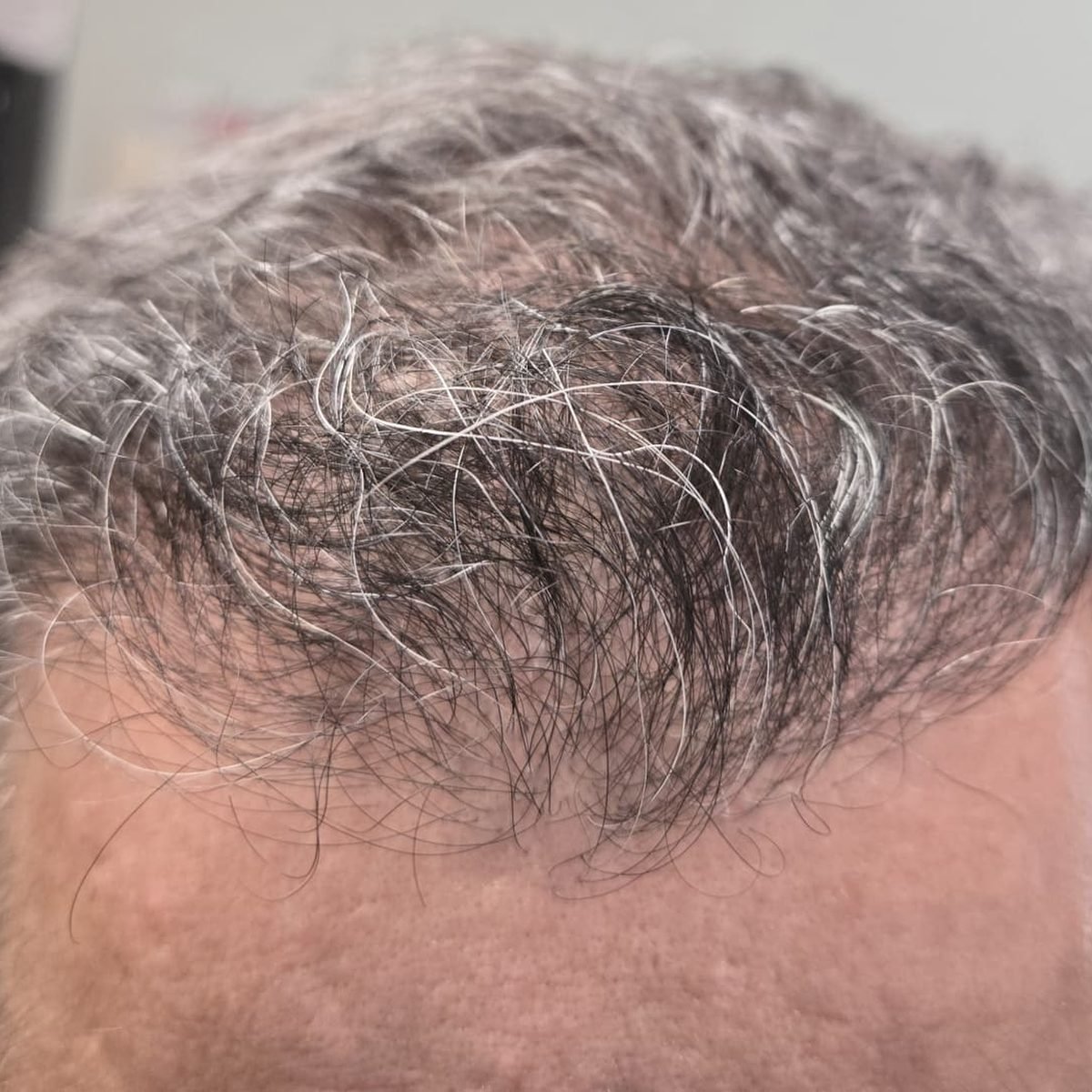 BeforeAfter
Patient 11 — 1 year after · 2,000 grafts
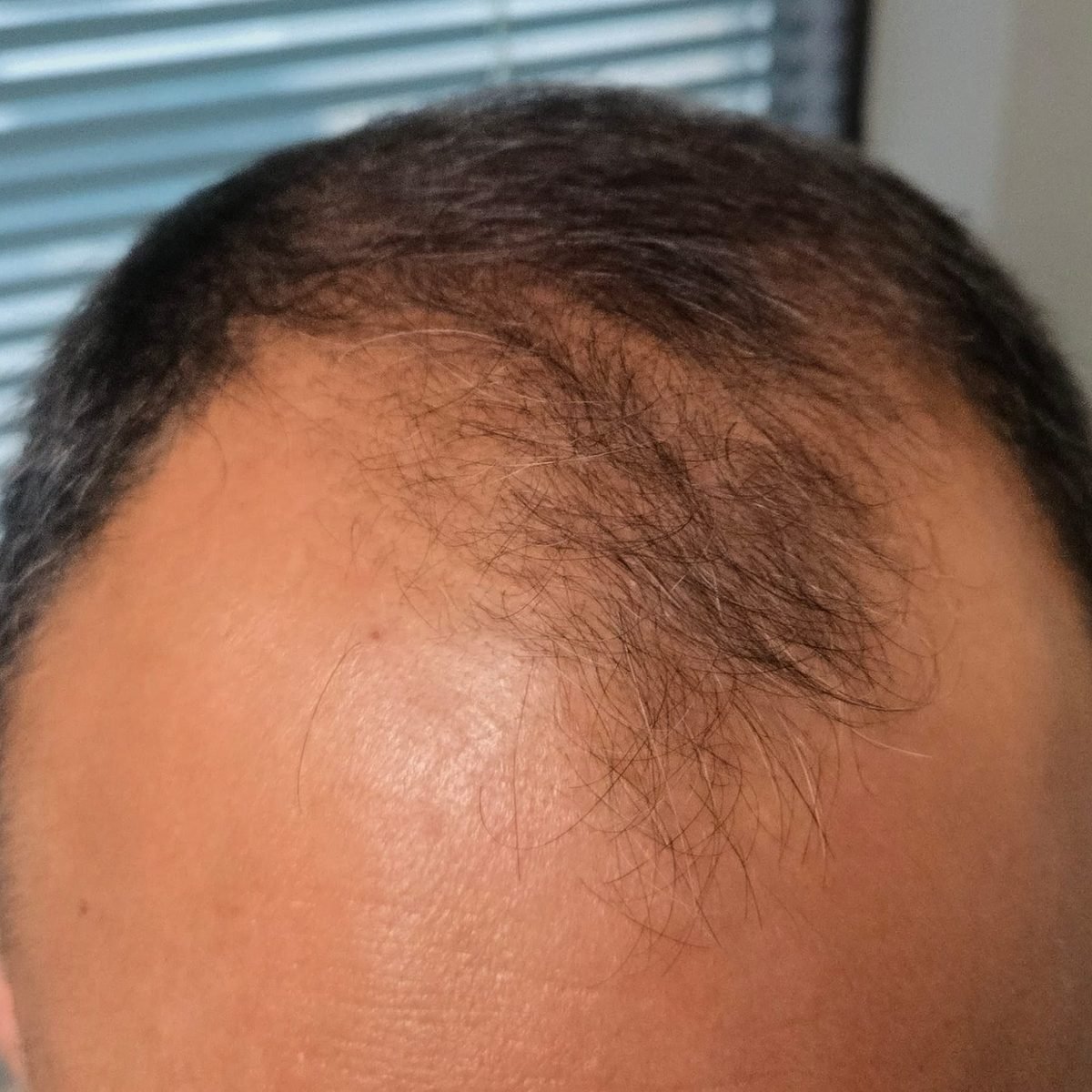
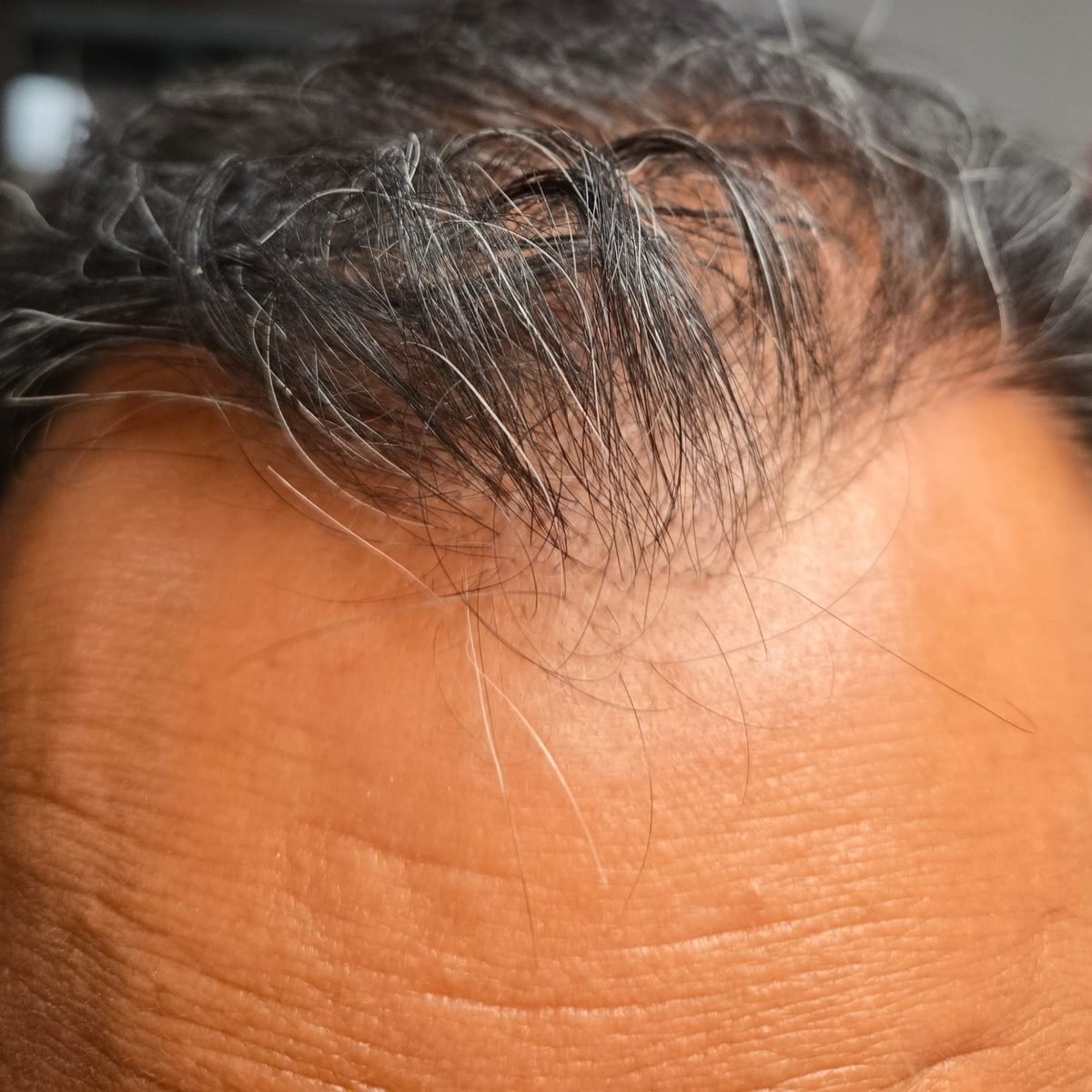 BeforeAfter
Patient 12 — 8 months after · 3,000 grafts
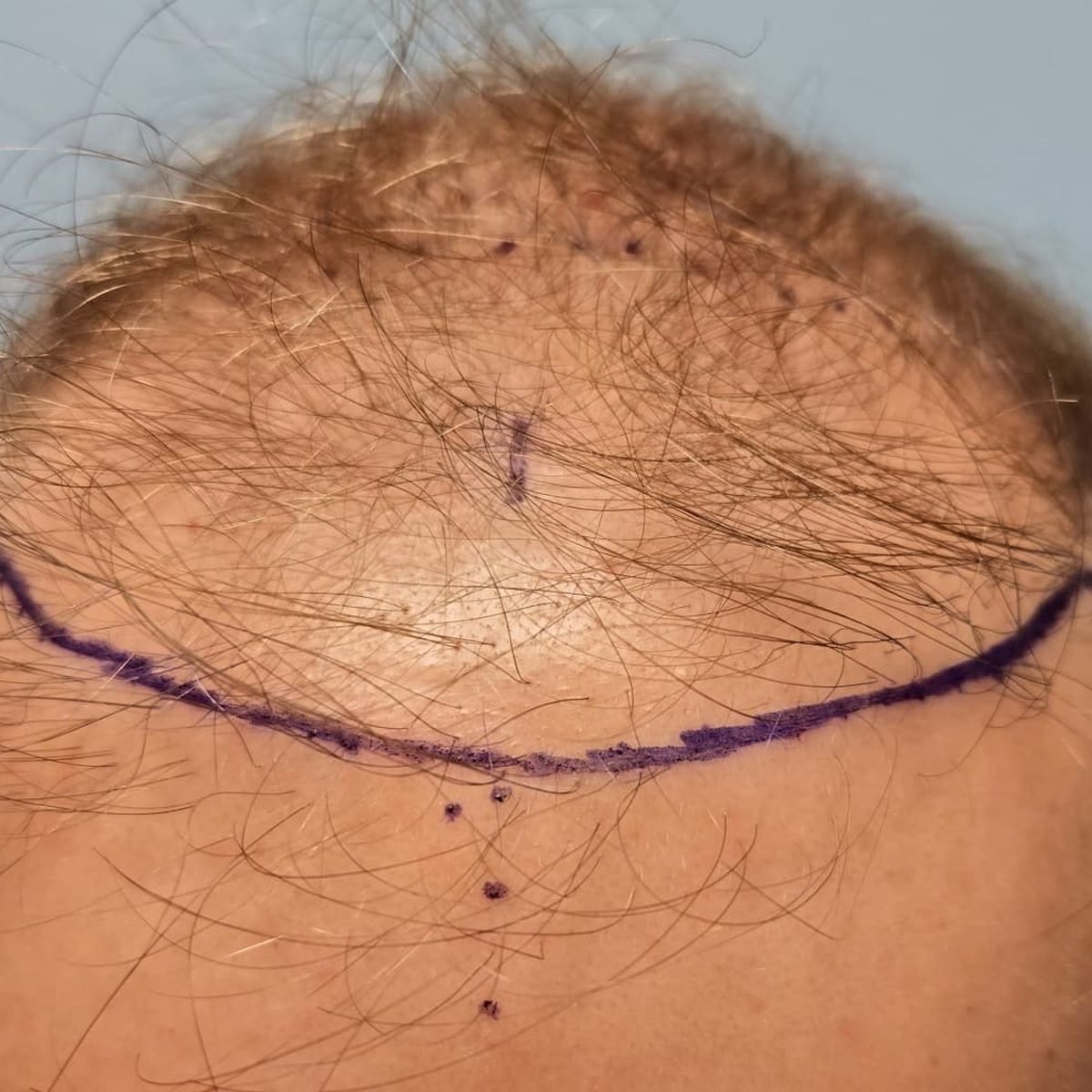
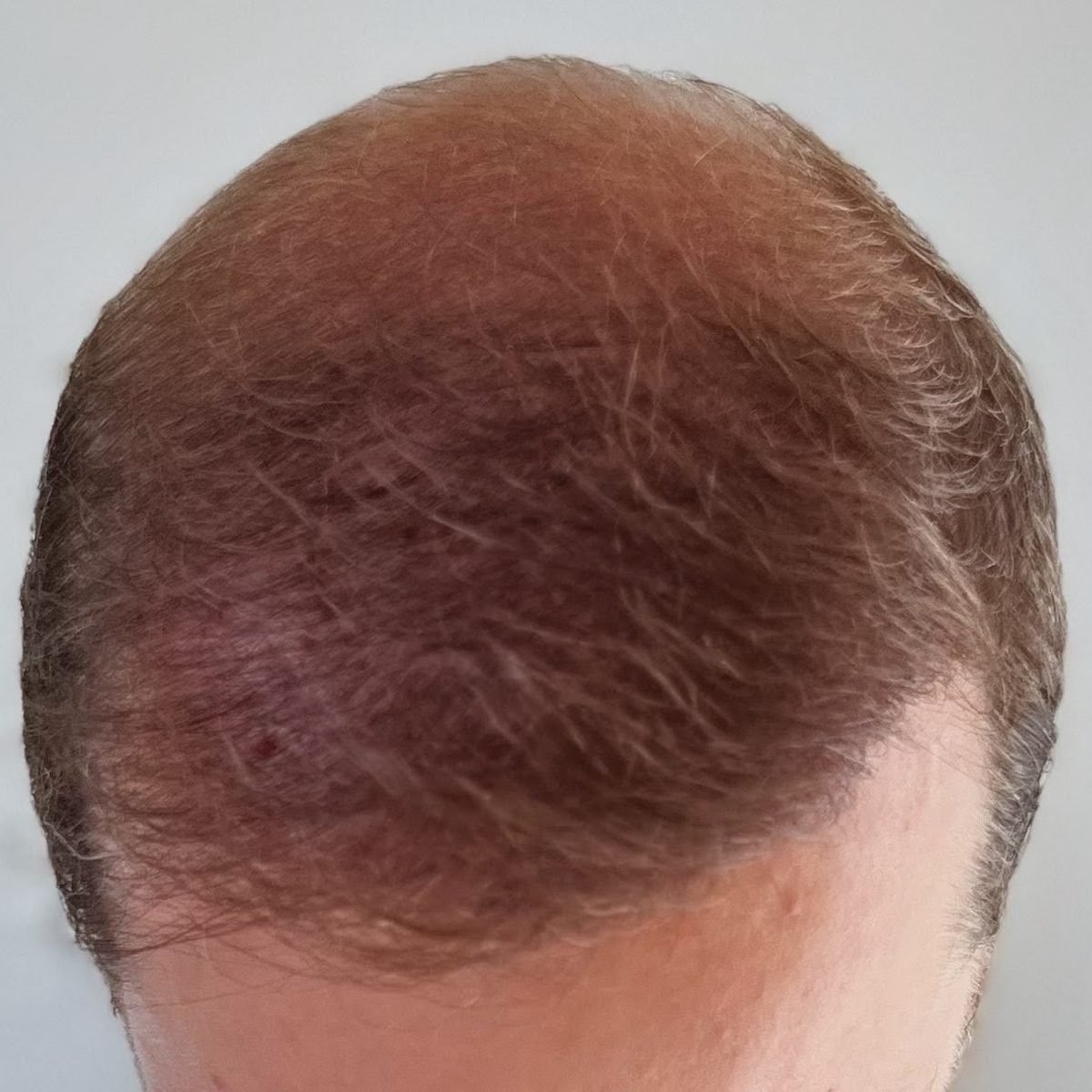 BeforeAfter
Patient 13 — 6 months after · 3,000 grafts
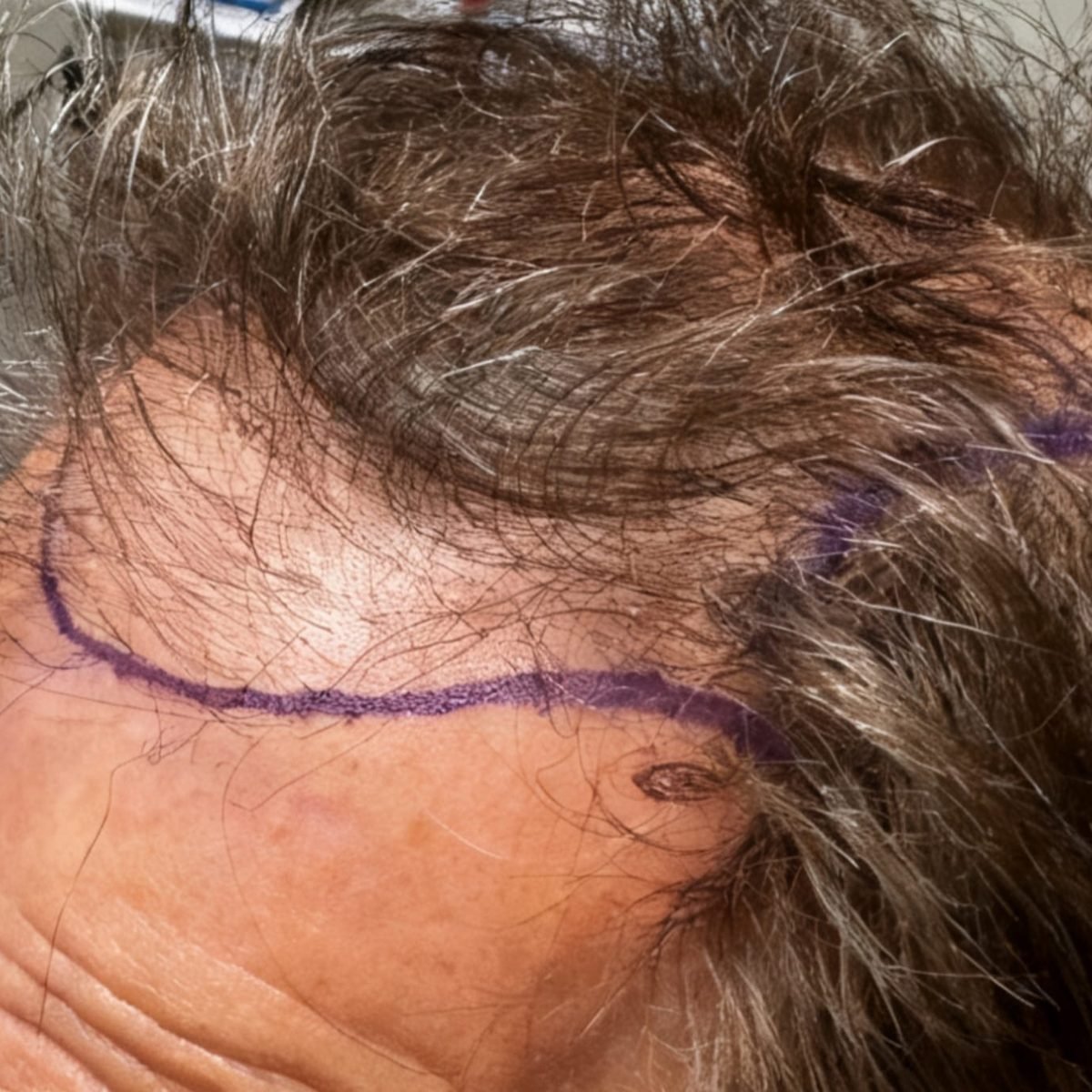
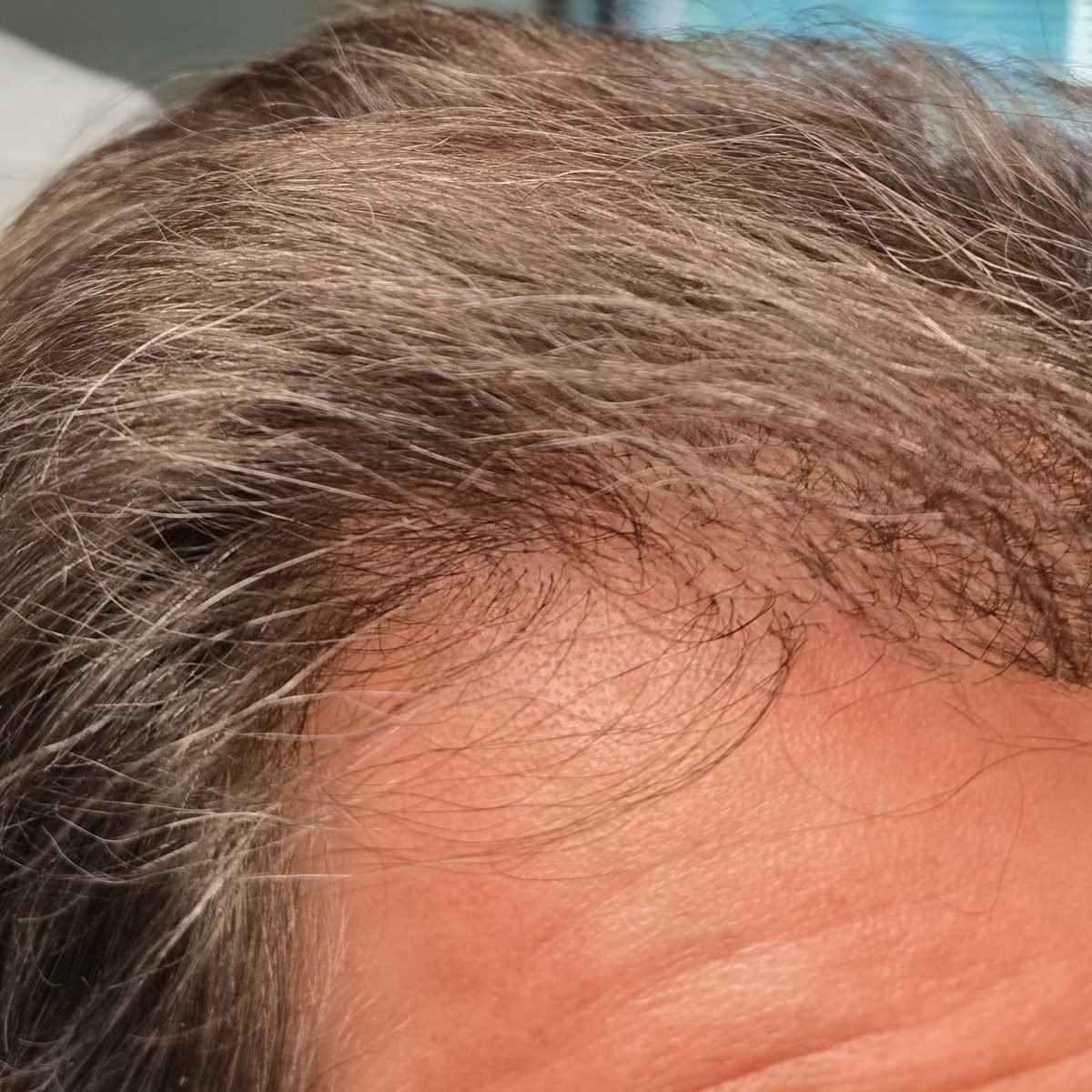 BeforeAfter
Patient 14 — 6 months after · 3,000 grafts
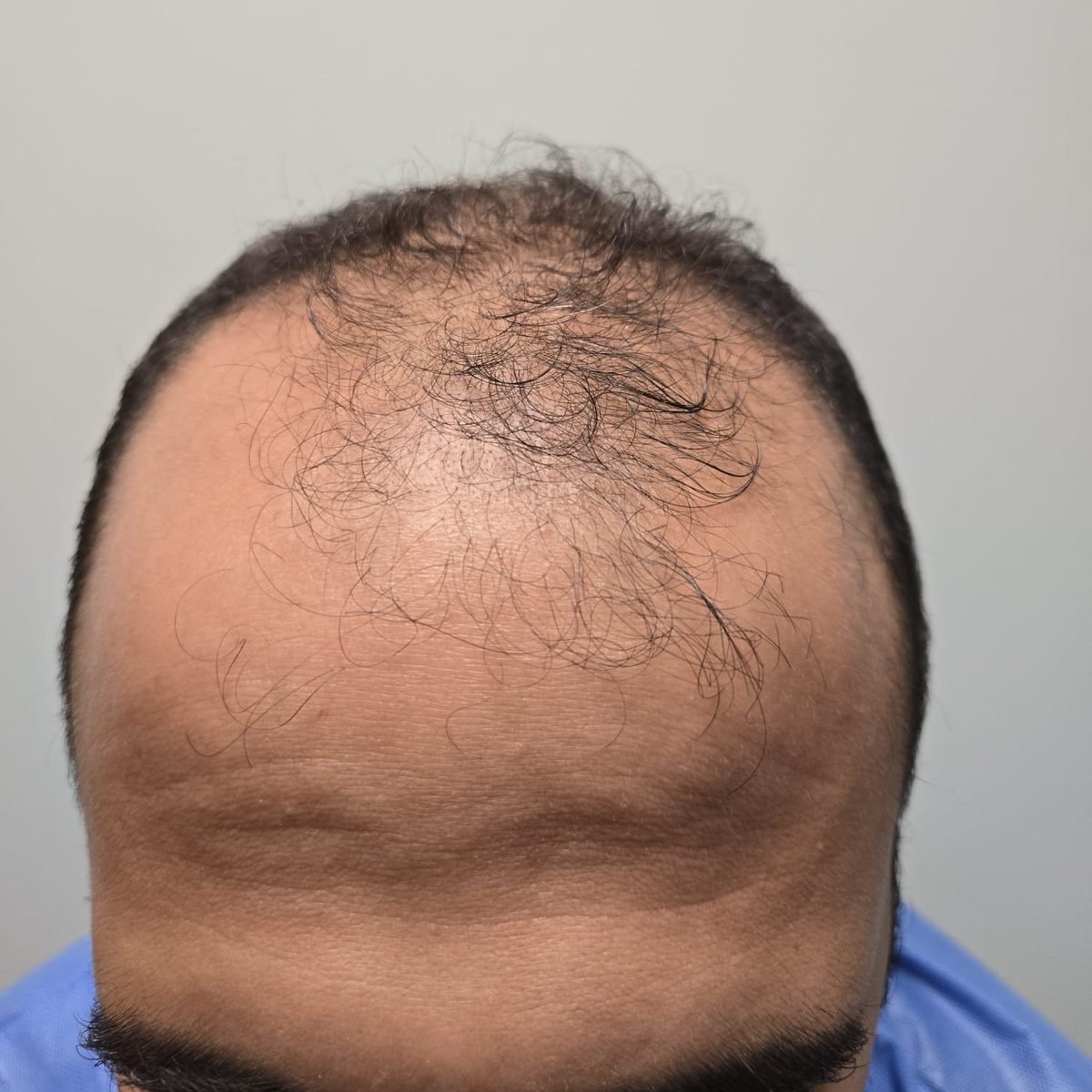
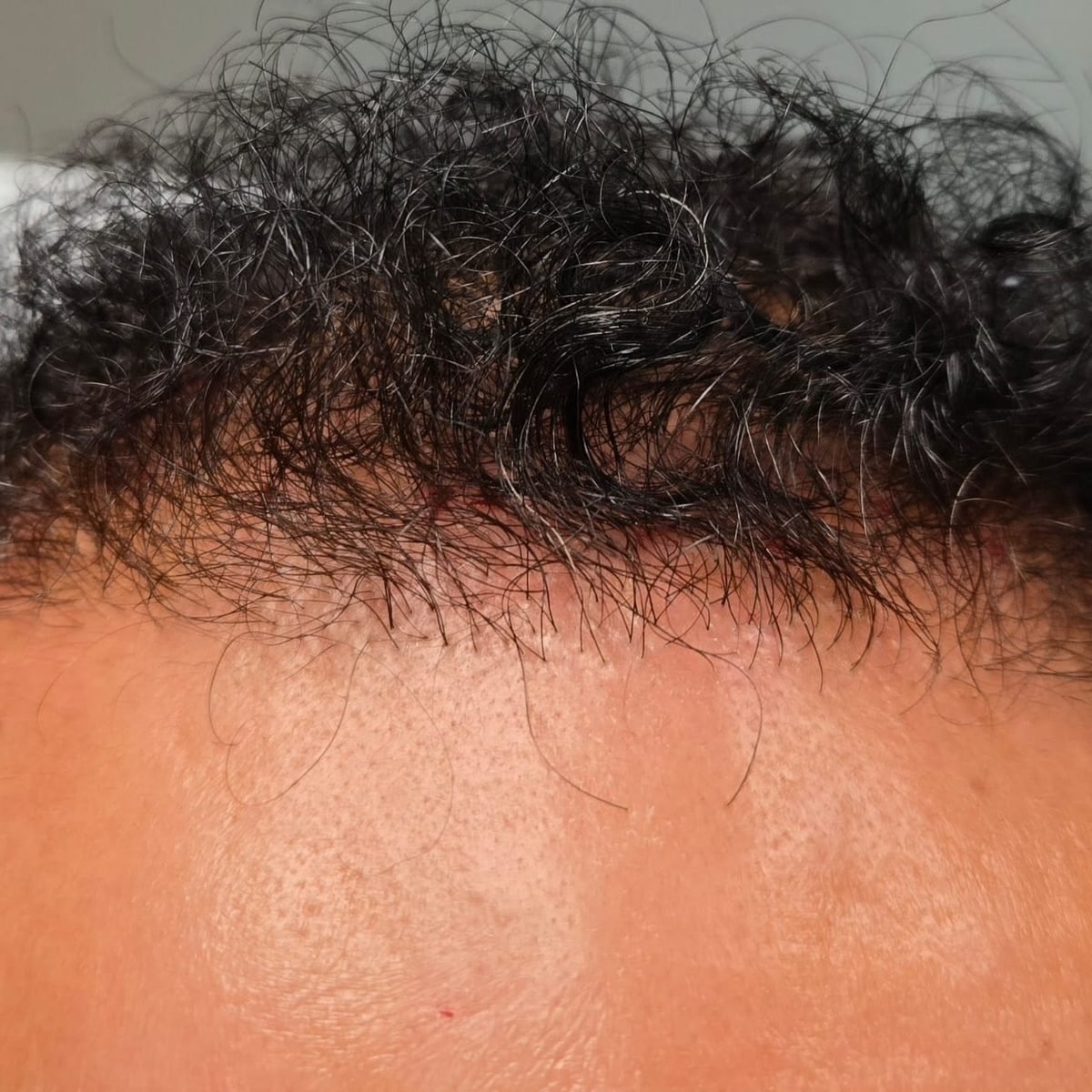 BeforeAfter
Patient 15 — 6 months after · 3,000 grafts
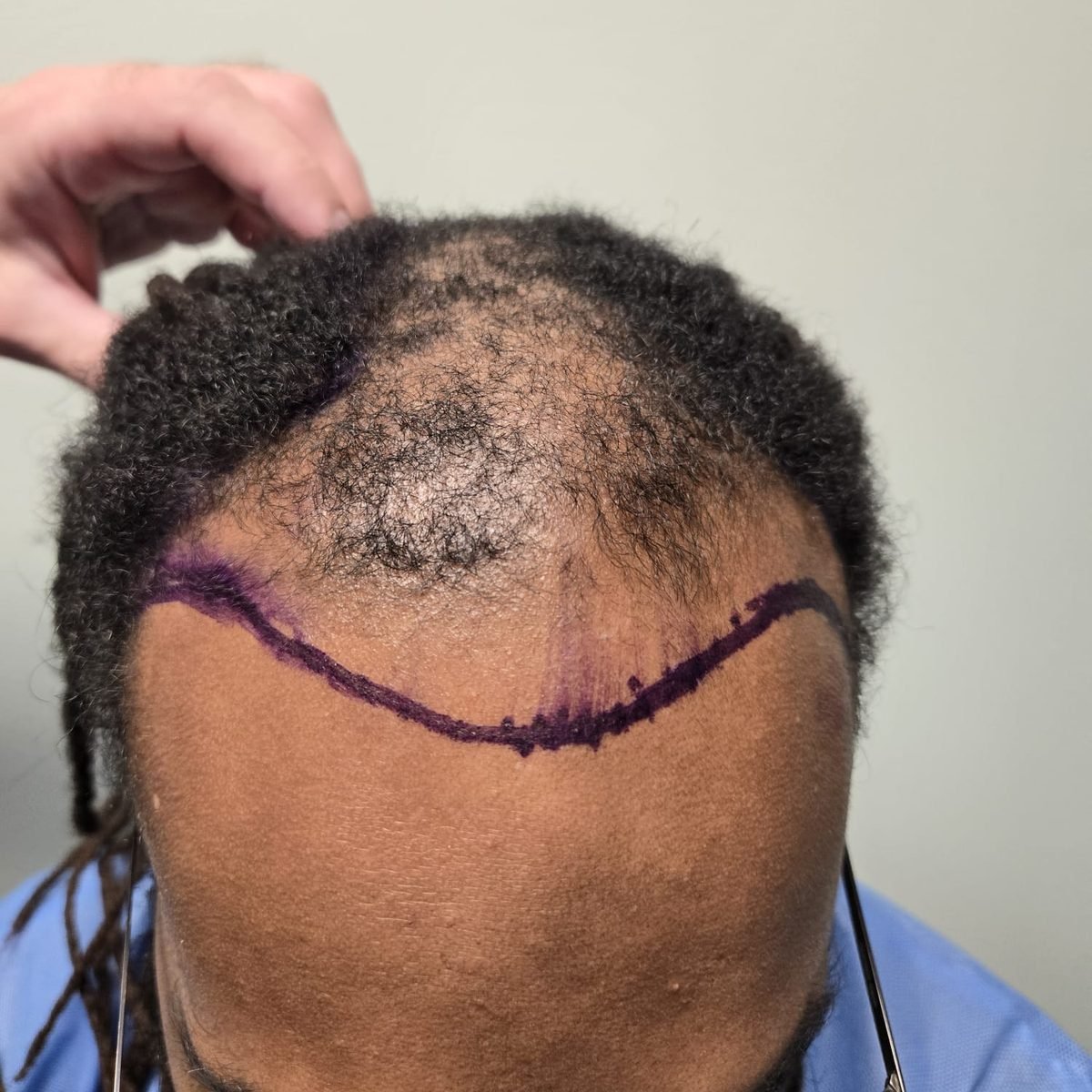
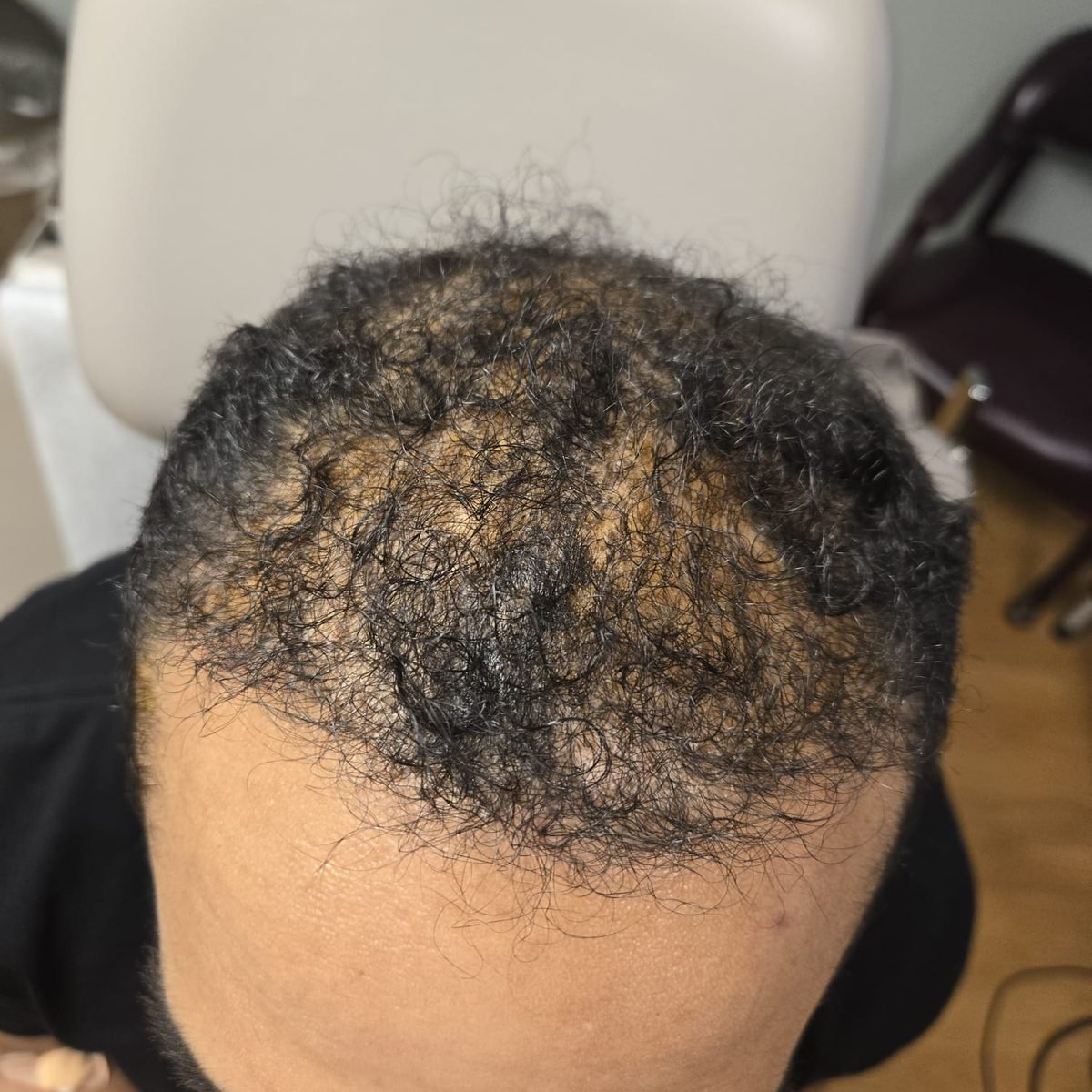 BeforeAfter
Patient 16 — 6 months after · 3,000 grafts
Individual results vary. These photographs show outcomes for these specific patients and do not predict yours. Candidacy is determined only by physical examination. No clinical detail is published for these cases beyond the photographs themselves.
What to look for.
The leading edge. A natural hairline is irregular, never a ruler-straight line, and it is built from single-hair units so it fades in rather than starting abruptly.
Direction. Every hair should flow the same way as the hair around it. Mismatched direction is the tell of a poorly planned transplant.
The donor area. In a well-executed FUE case, the back and sides look untouched. Patchiness there is the one mistake that cannot be corrected.
Want to know what is realistic for you?
Photographs show what was possible for those patients, with their donor supply. Yours is a different starting point.