
Hair transplant for Park Ridge
For anyone in Park Ridge, this is a local decision rather than a trip. i-294 south to 22nd Street and you are here.
I-294 south makes this a straightforward run despite the distance.
Getting here from Park Ridge
The drive
I-294 south to 22nd Street — about 14 miles, roughly 27 minutes outside peak hours.
Where we are
2425 W. 22nd Street, Suite 205C, Oak Brook, IL 60523. Open in Maps
Parking
Parking is on site. A procedure day runs most of a working day, so arriving without circling for a space matters more here than at an ordinary appointment.
Coming down the Tri-State puts you on our doorstep by design: the I-88 interchange sits just south of the practice, and 22nd Street is the first turn after it. The one thing worth planning around is the toll plaza traffic either side of the interchange, which is the only part of this route that varies much by hour.
Cook County patients reach us from the near-west suburbs, and the trip is almost always shorter than expected — the county line sits a few miles east of the practice. It is worth knowing because the twelve-to-eighteen month follow-up schedule is what decides whether a result is assessed properly, and that schedule only works if getting here is unremarkable.
The follow-up is the point.
Distance matters less than continuity. A transplant is judged at twelve to eighteen months, not on the day. From Park Ridge you can be examined, treated, and then actually seen again — at three months, at eight months, and at a year — by the physician who designed the hairline in the first place.
At this distance the follow-up schedule stops being a logistical question at all. Grafts shed at two to four weeks, regrowth starts somewhere around months three to six, and the result is judged at twelve to eighteen months — and every one of those checkpoints is a short drive rather than a day out.
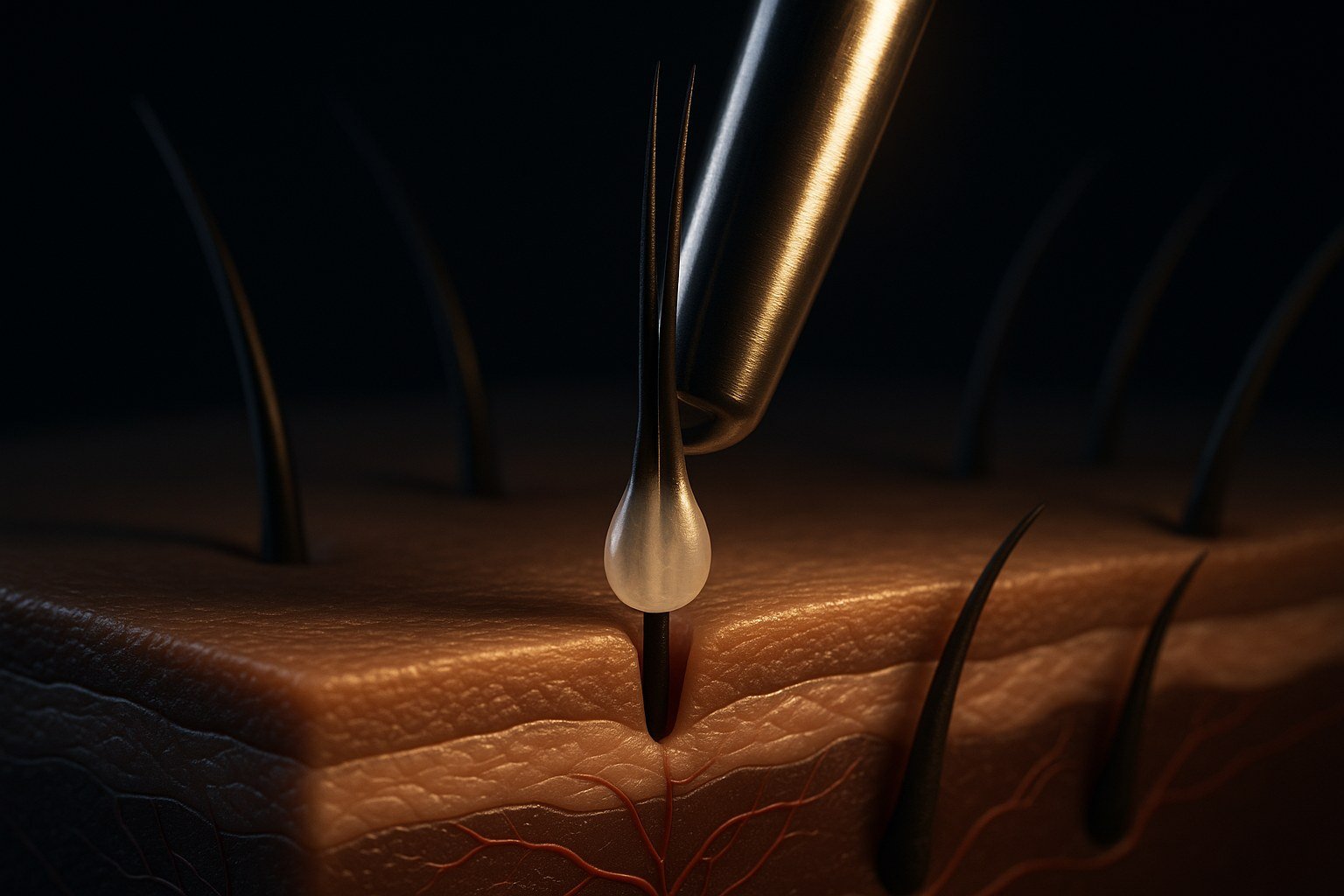
Two procedures, for Park Ridge patients as for everyone else.
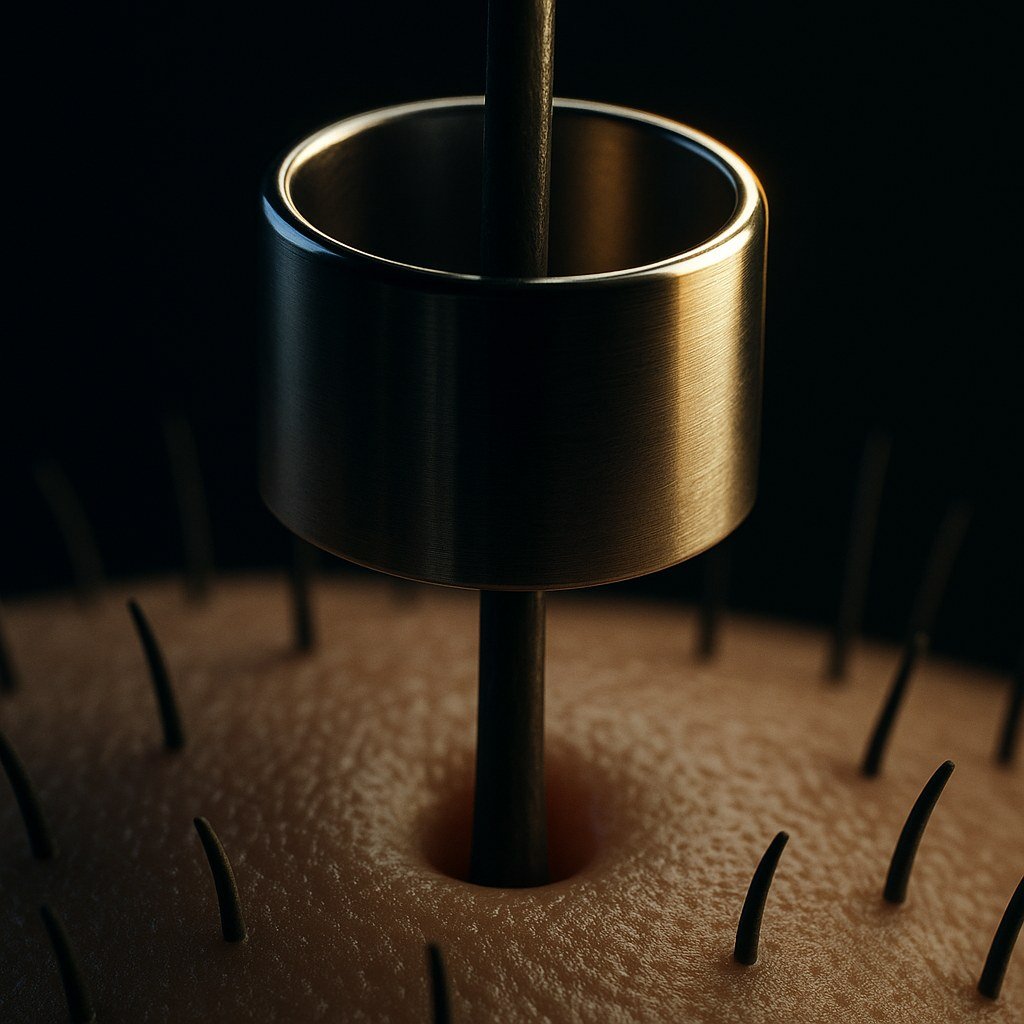
FUE hair transplant
Units taken one by one from the safe donor zone and placed at the angle and density the surrounding hair already has. No strip harvesting, and no linear scar to plan a haircut around.
Explore FUE
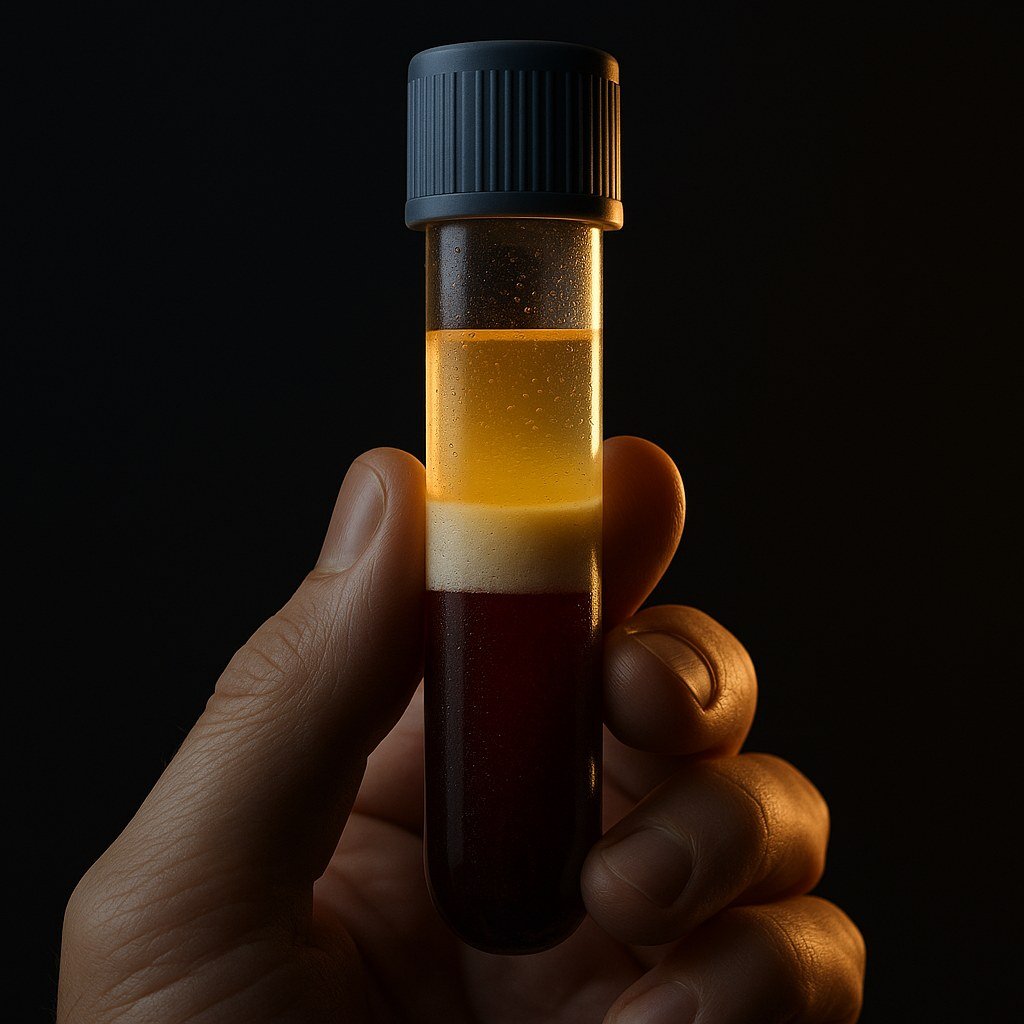
PRP therapy
A medical option rather than a surgical one, used alongside or instead of a transplant depending on where your loss actually is.
Explore PRP
Your donor area is finite.
The number that decides your outcome is not how many grafts someone will sell you. It is how much donor hair you will still have in reserve at fifty. ISHRS guidance describes a typical safe lifetime supply of roughly four to eight thousand follicular units, and warns against over-harvesting a single zone. We plan against that ceiling deliberately.
Not everyone who asks should be operated on this year. Grafts placed into a pattern that is still actively receding leave transplanted hair in front of a new gap. When loss is moving, medical therapy comes first — sometimes for a year — and that is the difference between one procedure and three.
Source: ISHRS, Hair Transplant Forum International — Safe Donor Follicle Harvesting in FUE
Find out where you stand before you drive anywhere.
Five questions, no phone call, and an honest read on where you actually stand. It will tell you if you are a candidate, and equally if this is the wrong year to be operated on.
Park Ridge questions
We also serve
Book an examination, not a quote.
The sensible first step from Park Ridge is not a price. It is finding out whether you are a candidate at all, and whether now is the right time. Some consultations here end with a recommendation to wait, and you will be told that plainly.
Serving Park Ridge and the surrounding Cook County communities. Distances and drive times are approximate. Individual results vary; candidacy is determined only by physical examination.