
Hair transplant for Itasca
From Itasca the route is route 83 south to 22nd Street. Roughly 23 minutes, and no part of it is difficult to drive with a freshly treated scalp.
Route 83 south. About twenty minutes outside peak hours.
Getting here from Itasca
The drive
Route 83 south to 22nd Street — about 12 miles, roughly 23 minutes outside peak hours.
Where we are
2425 W. 22nd Street, Suite 205C, Oak Brook, IL 60523. Open in Maps
Parking
Parking is on site. A procedure day runs most of a working day, so arriving without circling for a space matters more here than at an ordinary appointment.
Route 83 does the whole job. It runs north-south through the western suburbs and passes within a block of the practice at 22nd Street, so there is no expressway merge and no toll on this trip at all. It is the route we most often describe over the phone, because it is the one that is hardest to get wrong.
DuPage County is where the practice sits, and the majority of the people we see live inside it. That has a practical consequence worth stating plainly: your follow-up appointments at three, eight and twelve months are a local errand rather than a planned trip, which is the single biggest reason people finish a treatment plan instead of abandoning it halfway.
The follow-up is the point.
The reason that matters more than the distance: hair restoration is not a single appointment. Grafts shed at two to four weeks, regrowth starts somewhere around months three to six, and the real result lands at twelve to eighteen months. Being 12 miles away means the person who planned your hairline is the person looking at it in month eight, not a clinic in another time zone answering by email.
At this distance the follow-up schedule stops being a logistical question at all. Grafts shed at two to four weeks, regrowth starts somewhere around months three to six, and the result is judged at twelve to eighteen months — and every one of those checkpoints is a short drive rather than a day out.
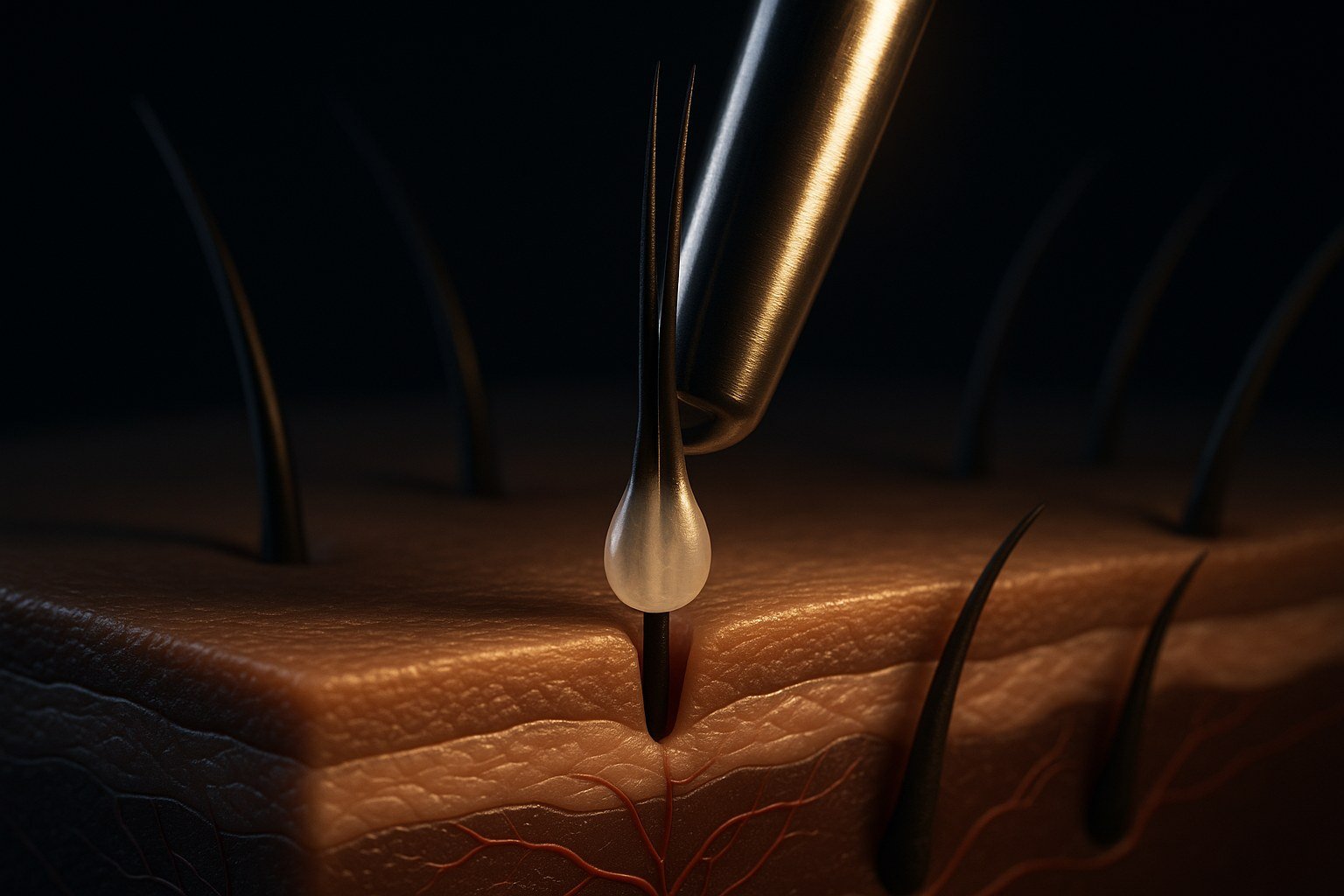
Two procedures, for Itasca patients as for everyone else.
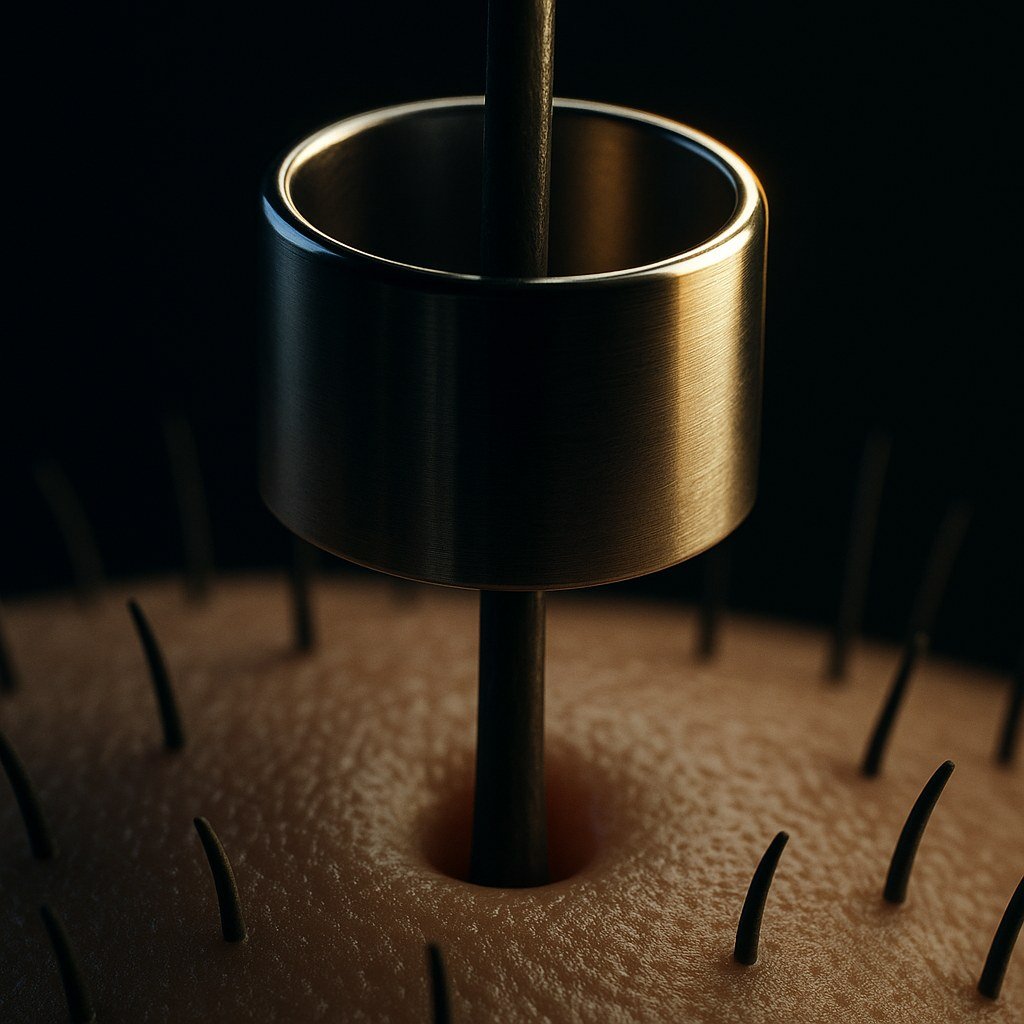
FUE hair transplant
Units taken one by one from the safe donor zone and placed at the angle and density the surrounding hair already has. No strip harvesting, and no linear scar to plan a haircut around.
Explore FUE
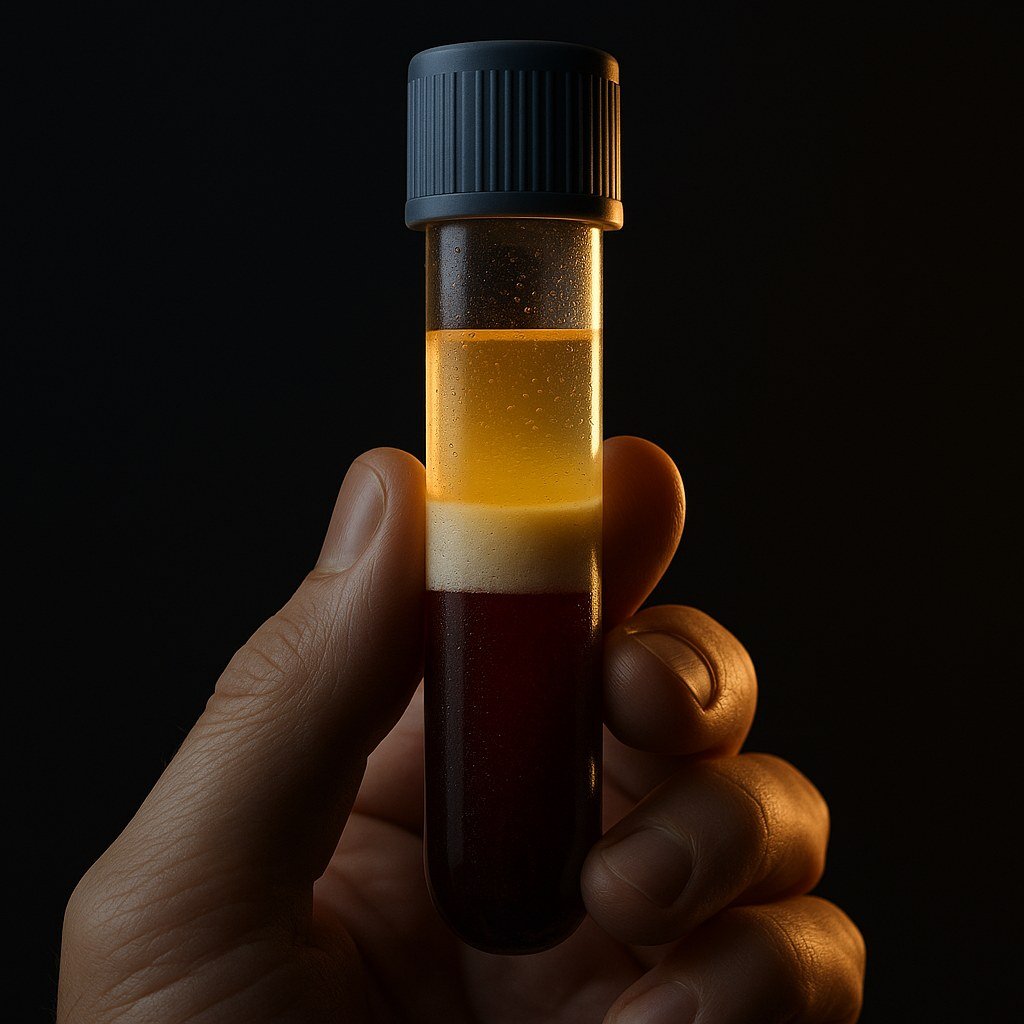
PRP therapy
Your own platelets, concentrated and reintroduced to support hair that is miniaturising but still present. It defends what you have; it does not replace what has gone.
Explore PRP
Your donor area is finite.
A donor area is a budget, not a resource. Removing more than twenty to thirty percent of the follicular units from one zone in a single session risks visible permanent thinning there — which is why large restorations are staged rather than done in one sitting, and why we plan for the pattern you will have in twenty years rather than the one in the mirror today.
Stabilise first, operate second. That order is not caution for its own sake — it is what keeps a single procedure from becoming a sequence of corrections, each one spending donor supply you were going to need at fifty.
Source: ISHRS, Hair Transplant Forum International — Safe Donor Follicle Harvesting in FUE
Find out where you stand before you drive anywhere.
Five visual questions on your pattern, your donor area and how fast things are moving. You get a straight read on candidacy — including if the honest answer is that surgery is premature.
Itasca questions
We also serve
Book an examination, not a quote.
The honest starting point from Itasca is to find out whether this is the right year for surgery at all. For a meaningful share of people who ask, the answer is medical therapy first, and being told so is a real outcome of a consultation here.
Serving Itasca and the surrounding DuPage County communities. Distances and drive times are approximate. Individual results vary; candidacy is determined only by physical examination.