
Where do you actually stand?
Five questions about your pattern, your donor area and how fast things are moving. You get a straight read — including if the honest answer is that surgery is premature.
Question 1 of 5
Which pattern is closest to yours?
Looking down at the top of the head. Pick whichever is closest — it does not need to be exact. This is the Norwood scale, the standard surgeons use.
Looking down at the top of the head
Question 2 of 5
How is the hair at the back and sides?
The back of your head, viewed from behind. This matters more than the bald area itself — your donor zone sets the ceiling on what is safely possible.
Question 3 of 5
How fast has it been moving?
Roughly what the last five or six years have looked like. Operating into active loss is one of the most common causes of regret.
Question 4 of 5
Which area bothers you most?
The crown is a curved surface and swallows far more grafts than people expect.
Question 5 of 5
Are you on any hair-loss medication?
Transplanted hair is durable. Native hair around it still needs defending.
—
Grafts, as a general published range
Bring this to a consultation
An examination under magnification is what turns a range into a plan. Your donor density is measured, not estimated.
Ask who operates
Ask us, and ask everyone else you speak to. Get the answer in writing before any deposit.
Protect what is left
Whatever you decide about surgery, a medical plan for your native hair usually runs alongside it.
Send this to Dr Abboud
This tool is educational. Ranges shown are general published figures by Norwood stage, not a quote and not a statement of what will be performed. It is not a diagnosis and does not replace examination by a physician.
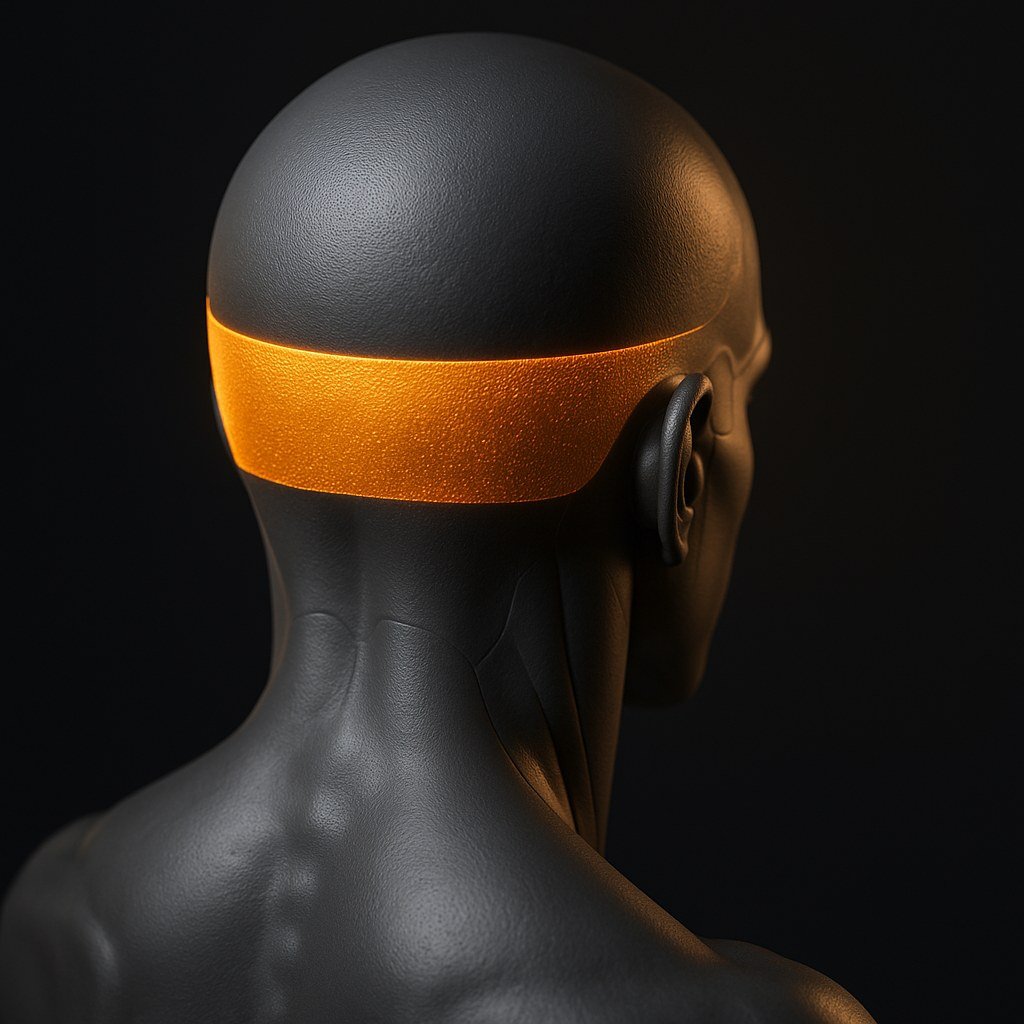
The donor zone sets the ceiling.
The gold band is the safe donor zone — the region genetically resistant to DHT. Everything a transplant can ever achieve comes out of it, and it does not refill.
Published ISHRS guidance puts a typical safe lifetime supply somewhere between four and eight thousand follicular units, and warns against taking more than twenty to thirty percent from one zone in a single session. That is why “how many grafts do I need” is the second question, not the first.